节奏
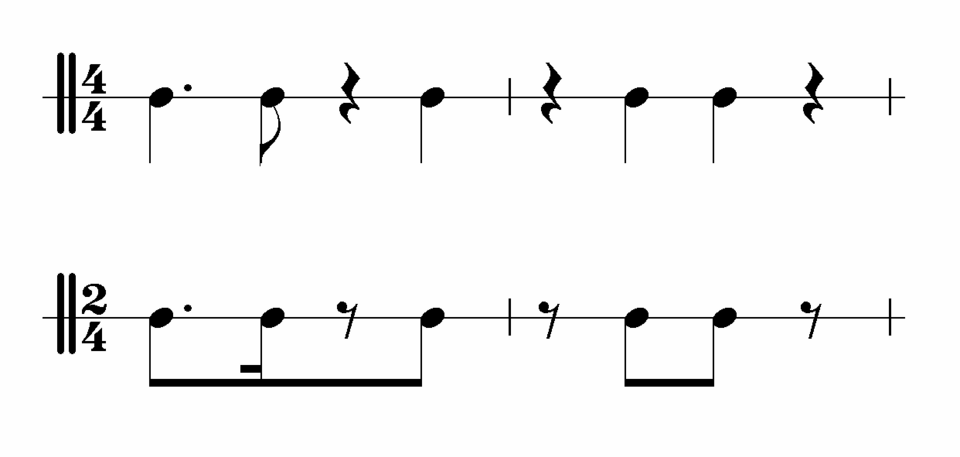
- 英文
- Rhythm
- 核心参数
- 速度(tempo)、拍号、时值、重音
- 速度单位
- BPM(每分钟拍数)
- 相关概念
- 节拍、韵律、同步、律动
- 主要研究领域
- 音乐心理学、音乐声学、神经科学
节奏指声音在时间上的模式,包含速度(tempo)与规律性两个基本维度;速度以每分钟拍数(BPM)度量,规律性则体现为节拍周期、重音分布与时值组合。11Rhythmbritannica.com前往参考资料 ↓在新标签页中打开|22Rhythm and Beat Perceptionoxfordre.com前往参考资料 ↓在新标签页中打开
节奏是音乐知觉的核心组织原则之一:听者会自发地从规律性脉冲中提取节拍(beat),并据此预测后续事件,这一过程被称为节拍感知或律动(groove)体验。22Rhythm and Beat Perceptionoxfordre.com前往参考资料 ↓在新标签页中打开|33The neuroscience of rhythm and beat perceptionnature.com前往参考资料 ↓在新标签页中打开
定义与基本要素
速度(Tempo)
速度(Tempo,意大利语 tempo,源自拉丁语 tempus「时间」)在音乐中指乐曲进行的基本速率,通常以每分钟拍数(beats per minute,BPM)计量;它是节奏(rhythm)的四个基本要素之一,与拍子(beat)、节拍(meter)、时值(duration)并列,但速度描述的是「多快」,节拍描述的是「如何分组」,二者不可混同。77Tempo (music)britannica.com前往参考资料 ↓在新标签页中打开|88Tempooxfordmusiconline.com前往参考资料 ↓在新标签页中打开
速度标记的意大利语体系在 17 世纪逐步定型:约 1600 年前后,作曲家开始在乐谱上使用 adagio、allegro 等词指示速度;到 18 世纪,Largo、Adagio、Andante、Allegro、Presto 等术语已成为欧洲通用的速度语汇,其具体含义在不同时代与地区存在弹性。88Tempooxfordmusiconline.com前往参考资料 ↓在新标签页中打开|99The Metronome and the Tempo Indications of Beethovenjstor.org前往参考资料 ↓在新标签页中打开
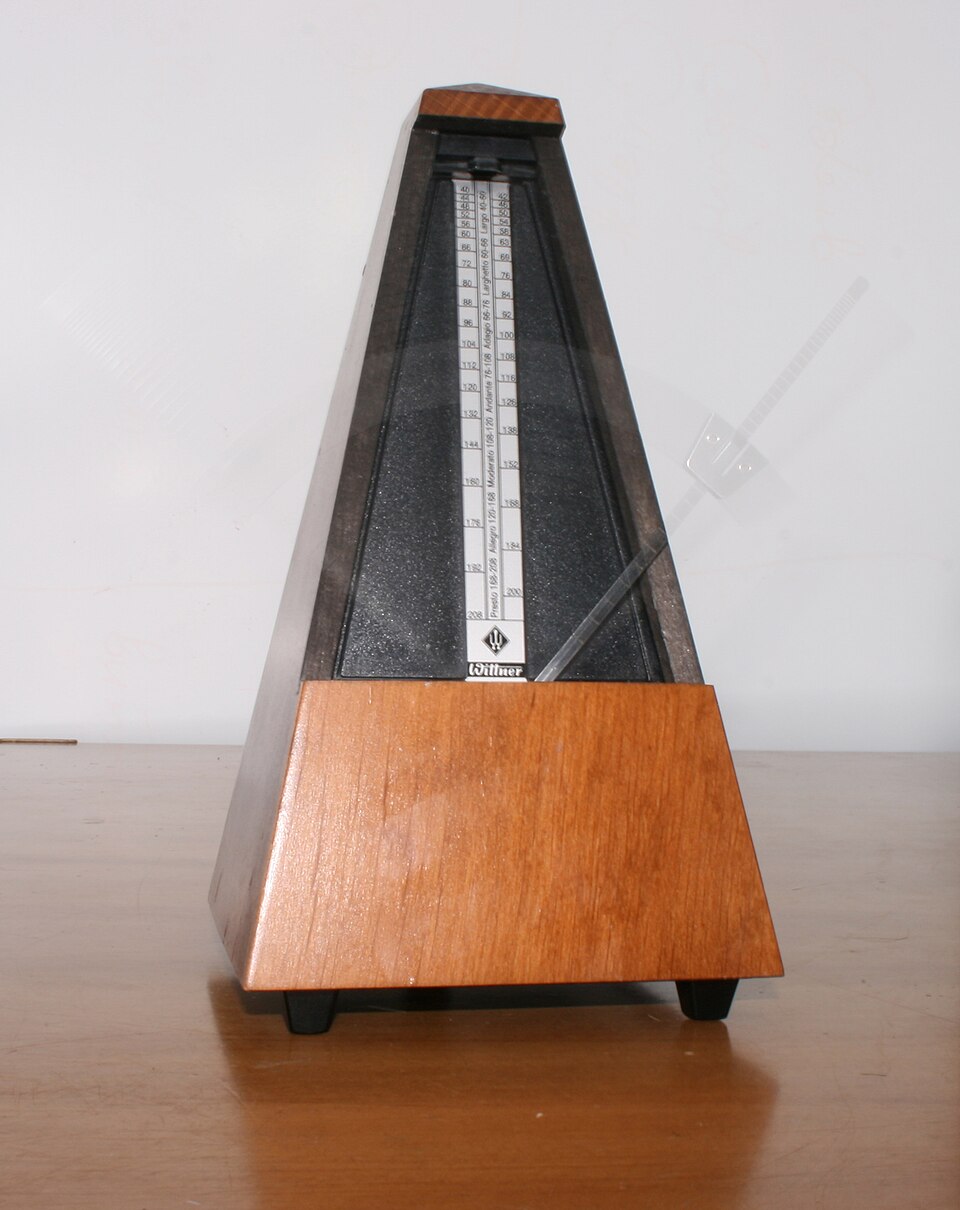
1816 年前后,维也纳工程师约翰·内波穆克·梅尔策尔(Johann Nepomuk Maelzel)改良并推广了节拍器(metronome),使速度第一次可以用「每分钟拍数」这一可复现的数值来标定;贝多芬是最早系统使用梅尔策尔节拍器标记(M.M.)的作曲家之一,他在第八交响曲等作品中写下了具体的 M.M. 数值。99The Metronome and the Tempo Indications of Beethovenjstor.org前往参考资料 ↓在新标签页中打开|1010Beethoven's Tempo Indications: A Reassessmentacademic.oup.com前往参考资料 ↓在新标签页中打开
现代音乐学通常把速度划分为慢速(约 40–60 BPM,如 Largo、Adagio)、中速(约 60–120 BPM,如 Andante、Moderato、Allegro)与快速(约 120–200 BPM,如 Vivace、Presto、Prestissimo)三档;这些区间只是惯例性参考,不同教材与曲目传统给出的边界并不一致。77Tempo (music)britannica.com前往参考资料 ↓在新标签页中打开|88Tempooxfordmusiconline.com前往参考资料 ↓在新标签页中打开
速度与节拍(meter)是两个独立维度:同一段旋律可以在保持 4/4 拍分组不变的情况下以 60 BPM 或 120 BPM 演奏,听感上的「快慢」改变而「强弱循环结构」不变;反过来,改变节拍分组而不改变 BPM,也会显著改变听感。77Tempo (music)britannica.com前往参考资料 ↓在新标签页中打开|1111Rhythm and Tempo Perceptiononline.ucpress.edu前往参考资料 ↓在新标签页中打开
在音乐声学与心理声学中,速度常与「事件密度」(单位时间内的音符或节拍事件数)区分:BPM 只规定拍点的间隔,实际听感速度还受音符时值细分(如八分、十六分音符)、织体密度与音色影响,因此相同 BPM 的乐曲可以听起来快慢不同。1111Rhythm and Tempo Perceptiononline.ucpress.edu前往参考资料 ↓在新标签页中打开|1212Evaluation of Audio Beat Tracking and Music Tempo Extraction Algorithmstandfonline.com前往参考资料 ↓在新标签页中打开
速度标记的「弹性」是历史表演实践(historically informed performance)中的核心争议之一:有学者依据节拍器刻度与历史文献主张古典时期的速度普遍快于 20 世纪通行的演奏,也有学者指出梅尔策尔节拍器本身存在机械误差、且当时的记谱与今日含义不同,因而反对把 M.M. 数值直接等同于现代 BPM。99The Metronome and the Tempo Indications of Beethovenjstor.org前往参考资料 ↓在新标签页中打开|1010Beethoven's Tempo Indications: A Reassessmentacademic.oup.com前往参考资料 ↓在新标签页中打开
对立说法部分学者认为贝多芬标注的 M.M. 数值在其耳聋后期可能因节拍器故障或抄写误差而不可靠,主张按音乐句法与和声张力而非数值来确定速度。1010Beethoven's Tempo Indications: A Reassessmentacademic.oup.com前往参考资料 ↓在新标签页中打开
对立说法另一派则认为历史节拍器经校准后基本可靠,M.M. 数值应被严格遵循,现代演奏普遍偏慢是 19 世纪以后「浪漫化」的结果。99The Metronome and the Tempo Indications of Beethovenjstor.org前往参考资料 ↓在新标签页中打开
速度的测量在当代主要依靠节拍跟踪(beat tracking)算法:从音频信号中提取起音(onset)包络,再通过自相关、动态规划或神经网络估计全局 BPM 与拍点位置;常用评测数据集包括 SMC、GTZAN 与 Ballroom,评测指标多为 F-measure 与 BPM 误差容忍度(如 ±4%)。1212Evaluation of Audio Beat Tracking and Music Tempo Extraction Algorithmstandfonline.com前往参考资料 ↓在新标签页中打开
节拍与拍号
节拍(beat)是音乐时间的基本刻度单位:如果把一段音乐映射到一把时间尺子上,节拍就是尺子上的刻度单位,音符的时值以节拍来衡量。1414节奏基础:节拍、小节、节奏型、拍号和速度soundbrenner.cn前往参考资料 ↓在新标签页中打开
小节(bar,美式英语常称 measure)是容纳固定数量节拍的容器,乐谱中小节之间用垂直线即小节线分隔;一个乐段内每小节的节拍数由拍号决定,并非固定不变。1414节奏基础:节拍、小节、节奏型、拍号和速度soundbrenner.cn前往参考资料 ↓在新标签页中打开
拍号写在乐曲开头,由上下叠放的两个数字构成:上面的数字表示每小节有多少个节拍,下面的数字表示哪种音符时值算作一个节拍。1414节奏基础:节拍、小节、节奏型、拍号和速度soundbrenner.cn前往参考资料 ↓在新标签页中打开
拍号可归入不同的节奏型(meter):节奏型是强弱拍的特定模式,通常分为单拍子与复拍子两类——单拍子中一个节拍被分成两份,复拍子中一个节拍被分成三份。1414节奏基础:节拍、小节、节奏型、拍号和速度soundbrenner.cn前往参考资料 ↓在新标签页中打开
单拍子的常见形式包括单二拍(如 2/2、2/4、2/8)与单三拍(如 3/2、3/4、3/8),其强弱循环分别为「一、和、二、和」与「一、和、二、和、三、和」。1414节奏基础:节拍、小节、节奏型、拍号和速度soundbrenner.cn前往参考资料 ↓在新标签页中打开
6/8 与 3/4 在数学上每小节都含六个八分音符,但听感不同:3/4 属于单三拍(每拍分两份,共三拍),6/8 属于复二拍(每拍分三份,共两拍),重音分组方式不同是二者感觉差异的根源。1414节奏基础:节拍、小节、节奏型、拍号和速度soundbrenner.cn前往参考资料 ↓在新标签页中打开
速度(tempo)与拍号是两个不同层面的概念:拍号规定每小节内节拍的数目与单位音符时值,速度规定这些节拍进行的快慢;同一拍号的乐曲可以演奏得很快或很慢。1414节奏基础:节拍、小节、节奏型、拍号和速度soundbrenner.cn前往参考资料 ↓在新标签页中打开
音符时值有英美两套通行名称,例如全音符(semibreve / whole note)、二分音符(minim / half note)、四分音符(crotchet / quarter note)、八分音符(quaver / eighth note)、十六分音符(semiquaver / sixteenth note),英式术语与美式术语指同一对象。1414节奏基础:节拍、小节、节奏型、拍号和速度soundbrenner.cn前往参考资料 ↓在新标签页中打开
关于拍号记谱的读法存在教学传统上的分歧:一种读法把下方数字理解为「以何种音符为一拍」的单位标记,另一种读法(尤其在复拍子中)强调它只是记谱约定,真正的拍感单位是附点音符(如 6/8 中以附点四分音符为一拍),两种解释在课堂上并行使用。1414节奏基础:节拍、小节、节奏型、拍号和速度soundbrenner.cn前往参考资料 ↓在新标签页中打开
对立说法部分教材坚持下方数字严格表示单位音符时值,不承认复拍子中「附点音符为一拍」的替代读法,认为后者只是演奏者的心理分组而非记谱含义。1414节奏基础:节拍、小节、节奏型、拍号和速度soundbrenner.cn前往参考资料 ↓在新标签页中打开
时值与重音
在音乐理论中,节奏(rhythm)指音乐事件在时间上的组织方式;它通常被拆解为两个相互关联的层面:时值(duration,即单个音符或休止符持续多久)与重音(accent,即某些时间点被感知为更强、更突出)。时值决定事件之间的长短比例,重音决定这些事件如何被分组为拍与小节。11Rhythmbritannica.com前往参考资料 ↓在新标签页中打开|1515Accent (music)oxfordmusiconline.com前往参考资料 ↓在新标签页中打开
时值的基本单位是拍(beat),拍是听者用来对齐和预测音乐事件的周期性参照点;拍被组织成小节(measure/bar),小节内的拍按重音模式区分强弱。例如 4/4 拍通常被感知为“强—弱—次强—弱”,3/4 拍为“强—弱—弱”。这种强弱模式即节拍(meter)的核心。11Rhythmbritannica.com前往参考资料 ↓在新标签页中打开|1616Meter (music)britannica.com前往参考资料 ↓在新标签页中打开
记谱时值以相对比例而非绝对秒数表示:全音符、二分音符、四分音符、八分音符等构成 2:1 的层级分割关系。一个四分音符在实际演奏中持续多少秒,取决于速度(tempo),而速度在传统记谱中由意大利语术语(如 adagio、andante、allegro)或节拍机标记(如 ♩=120)给出。因此时值本身是比例概念,绝对时长由速度决定。11Rhythmbritannica.com前往参考资料 ↓在新标签页中打开|1717Note valuebritannica.com前往参考资料 ↓在新标签页中打开
重音可分为若干类型:节拍重音(metric accent,由小节位置决定)、长重音(agogic accent,由时值较长产生)、力度重音(dynamic accent,由演奏力度较强产生)以及和声/旋律重音(由音高变化或和声改变产生)。这些重音类型可以叠加,也可以相互冲突,冲突时产生切分(syncopation)。1515Accent (music)oxfordmusiconline.com前往参考资料 ↓在新标签页中打开|1818Syncopationbritannica.com前往参考资料 ↓在新标签页中打开
切分(syncopation)指重音落在节拍预期为弱的位置上,或强拍被休止、延音所回避,从而使听者的节拍预期被暂时打破。切分是爵士、放克、拉格泰姆以及大量流行音乐的核心节奏手法,也是节奏张力的主要来源之一。1818Syncopationbritannica.com前往参考资料 ↓在新标签页中打开|1919Syncopation and the Perception of Rhythmonline.ucpress.edu前往参考资料 ↓在新标签页中打开
时值与重音在感知上并不对称:时值比例可以被较精确地辨别(听者对简单比例如 2:1、3:2 的辨别阈限较小),而重音的感知高度依赖上下文与预期。同一物理强度的时间点,在小节中的位置不同,被感知到的重音程度也不同——这被称为节拍重音的知觉现实性。2020The perception of musical rhythm and metrejournals.sagepub.com前往参考资料 ↓在新标签页中打开|2121Rhythm and Meteroxfordhandbooks.com前往参考资料 ↓在新标签页中打开
关于重音是否具有独立的声学标记,研究界存在分歧。一种观点认为重音主要由声学参数(力度、时长、音高)的局部变化实现;另一种观点认为节拍重音是一种由听者内部节拍模型生成的“自上而下”的知觉现象,即使声学信号完全均匀,听者仍会“听到”强弱模式。两种观点分别得到行为实验与计算模型的支持,尚未完全统一。2020The perception of musical rhythm and metrejournals.sagepub.com前往参考资料 ↓在新标签页中打开|2222A Generative Theory of Tonal Musicmitpress.mit.edu前往参考资料 ↓在新标签页中打开
对立说法重音主要可由声学参数的局部变化(力度、时长、音高)充分解释,无需假设独立的内部节拍生成机制。2020The perception of musical rhythm and metrejournals.sagepub.com前往参考资料 ↓在新标签页中打开
对立说法节拍重音是听者内部节拍模型自上而下生成的知觉现象,均匀声学信号下仍可产生强弱感知。2222A Generative Theory of Tonal Musicmitpress.mit.edu前往参考资料 ↓在新标签页中打开
规律性与同步
在音乐理论中,节奏(rhythm)通常被定义为声音事件在时间上的组织方式,其核心要素包括拍(beat)、节拍(meter)、速度(tempo)与时值模式(duration pattern);而「规律性」(regularity)指的是这些时间事件以可预测的周期重复出现的程度。11Rhythmbritannica.com前往参考资料 ↓在新标签页中打开|1616Meter (music)britannica.com前往参考资料 ↓在新标签页中打开
节拍(meter)是听者据以组织节奏的周期性参照框架,通常以拍号(如 4/4、3/4)标记;节拍本身不是声学信号中可直接测量的物理量,而是听者从规律性强调模式中推断出的心理结构。11Rhythmbritannica.com前往参考资料 ↓在新标签页中打开|2424Beat (music) — Encyclopaedia Britannicabritannica.com前往参考资料 ↓在新标签页中打开
「同步」(synchronization)指个体动作事件与外部节拍事件在时间上对齐的行为,典型表现为手指敲击与节拍器脉冲的相位锁定;人类在 0.5–1.0 秒的拍间隔(即 60–120 BPM)范围内同步精度最高。1313Sensorimotor synchronization: A review of the tapping literaturelink.springer.com前往参考资料 ↓在新标签页中打开|2525Rhythm and beat perception in motor areas of the braindirect.mit.edu前往参考资料 ↓在新标签页中打开
同步敲击任务中,敲击通常略早于节拍脉冲出现,这一现象称为「负异步」(negative asynchrony),平均约在 −20 至 −50 毫秒之间;它被解释为感觉运动延迟的补偿,而非单纯的误差。1313Sensorimotor synchronization: A review of the tapping literaturelink.springer.com前往参考资料 ↓在新标签页中打开|2626Negative asynchrony in sensorimotor synchronization: A reviewlink.springer.com前往参考资料 ↓在新标签页中打开
节奏的规律性并非二值属性,而是连续变化的:完全等时的脉冲序列与高度不规则的序列之间存在大量中间形态;听者对规律性的感知受拍间隔、时值分布与重音模式共同影响。1616Meter (music)britannica.com前往参考资料 ↓在新标签页中打开|2727Rhythm and meter — Oxford Music Onlineoxfordmusiconline.com前往参考资料 ↓在新标签页中打开
跨文化音乐分析显示,绝大多数音乐传统都包含某种周期性节拍结构,但周期长度与节拍层级差异很大;例如部分巴尔干与印度音乐传统使用不对称或循环长度较长的节拍周期,说明「规律性」的具体形式具有文化特异性。2727Rhythm and meter — Oxford Music Onlineoxfordmusiconline.com前往参考资料 ↓在新标签页中打开|2828The Geometry of Musical Rhythmtandfonline.com前往参考资料 ↓在新标签页中打开
在节奏感知研究中,「规律性」与「同步」常被区分:前者描述刺激序列的统计结构,后者描述听者动作与刺激之间的时间耦合;两者相关但不等同,高度规律的序列未必引发同步,而不规则序列在特定条件下也可被同步。2525Rhythm and beat perception in motor areas of the braindirect.mit.edu前往参考资料 ↓在新标签页中打开|2929Neural mechanisms of rhythm perception and synchronizationnyaspubs.onlinelibrary.wiley.com前往参考资料 ↓在新标签页中打开
关于负异步的成因,学界存在竞争性解释:一种观点强调感觉运动传导延迟的补偿机制,另一种观点强调时间知觉与注意预期的作用;两种解释均得到部分实验支持,尚未完全统一。1313Sensorimotor synchronization: A review of the tapping literaturelink.springer.com前往参考资料 ↓在新标签页中打开|2626Negative asynchrony in sensorimotor synchronization: A reviewlink.springer.com前往参考资料 ↓在新标签页中打开|2929Neural mechanisms of rhythm perception and synchronizationnyaspubs.onlinelibrary.wiley.com前往参考资料 ↓在新标签页中打开
对立说法有研究认为负异步主要反映感觉运动延迟的固定补偿,而非注意预期效应。1313Sensorimotor synchronization: A review of the tapping literaturelink.springer.com前往参考资料 ↓在新标签页中打开
对立说法另有研究认为负异步受时间知觉与注意预期调节,延迟补偿不足以完全解释。2626Negative asynchrony in sensorimotor synchronization: A reviewlink.springer.com前往参考资料 ↓在新标签页中打开
节奏的心理学机制
节拍感知与预测编码
节拍感知(beat perception)指听者从声学信号中提取周期性脉冲、并据此组织时间结构的认知过程;在音乐心理学中,它被视为节奏加工的核心环节,而非对声学间隔的被动记录。3030预期视角下音乐节拍结构的认知与神经机制journal.psych.ac.cn前往参考资料 ↓在新标签页中打开
预测编码(predictive coding)框架把节拍感知刻画为「自上而下的预测 + 自下而上的预测误差」的循环:听者依据已建立的节拍结构对下一个时间点作出预期,实际事件与预期的时间偏差(预测误差)反过来修正内部模型。孙丽君与杨玉芳(2024)在《心理科学进展》的综述即以「预期视角」系统梳理了音乐节拍结构的认知与神经机制。3030预期视角下音乐节拍结构的认知与神经机制journal.psych.ac.cn前往参考资料 ↓在新标签页中打开
综述指出,节拍结构的预期加工并非单一脑区的功能,而是涉及听觉皮层与运动相关脑区(如基底节、辅助运动区、小脑)构成的网络;这一「听觉—运动耦合」是节拍预测区别于一般听觉序列学习的关键特征。3030预期视角下音乐节拍结构的认知与神经机制journal.psych.ac.cn前往参考资料 ↓在新标签页中打开
在预期视角下,节拍强度(metrical strength)可被理解为预测的精度权重:强拍位置对应高置信度的预测,弱拍位置对应低置信度预测,因此偏离强拍的切分音会产生更大的预测误差,并引发更强的注意定向与神经响应。3030预期视角下音乐节拍结构的认知与神经机制journal.psych.ac.cn前往参考资料 ↓在新标签页中打开
对立说法另一种解释认为,切分音之所以突出,主要源于声学突显性(响度、音高、音色变化)与注意捕获,而非预测误差本身;预测精度加权只是其中一种建模方式,尚缺乏能将其与声学突显性完全分离的实验证据。3030预期视角下音乐节拍结构的认知与神经机制journal.psych.ac.cn前往参考资料 ↓在新标签页中打开
节拍预测具有「外推」性质:一旦内部节拍模型建立,听者可以在声学事件缺失(休止、时值延长)的情况下继续生成预期,这解释了为何节拍感知在刺激中断时仍能维持,也构成节奏的神经基础中持续追踪现象的行为学依据。3030预期视角下音乐节拍结构的认知与神经机制journal.psych.ac.cn前往参考资料 ↓在新标签页中打开
综述强调,节拍结构的预期加工与音乐句法层级加工共享部分机制:Koelsch 等(2013)在 PNAS 报告音乐和声句法层级违反会引发早期右前负波(ERAN)与晚期正成分(P600)样响应,孙丽君与杨玉芳将其纳入「层级预期」的讨论框架,用以说明节拍与句法预期在时间维度上的整合。3030预期视角下音乐节拍结构的认知与神经机制journal.psych.ac.cn前往参考资料 ↓在新标签页中打开
律动(Groove)体验
「律动」(Groove)在音乐心理学中通常指听者从音乐节奏中感受到的、引发身体自发运动冲动(如点头、踏脚、摇摆)的主观体验品质;它不等同于节奏结构本身,而是节奏结构与听者运动系统交互后产生的一种具身感受。这一用法在实证研究中被广泛采用,例如以「想跟着动的程度」作为律动感的操作性评分。3131MTMT2: Cameron Daniel J. et al. Neural entrainment is associated with subjective groove and complexity for performed but not mechanical musical rhythms. (2019) EXPERIMENTAL BRAIN RESEARCH 0014-4819 1432-1106 237 8 1981-1991m2.mtmt.hu前往参考资料 ↓在新标签页中打开
律动体验与「神经夹带」(neural entrainment)相关:人脑的神经活动可以被外部节律刺激的规律性所夹带,对听觉节奏的神经夹带支撑时间知觉,并受选择性注意与节奏的层级时间结构增强。Cameron 等(2019)的研究进一步检验了神经夹带与主观律动感、复杂度判断之间的关系。3131MTMT2: Cameron Daniel J. et al. Neural entrainment is associated with subjective groove and complexity for performed but not mechanical musical rhythms. (2019) EXPERIMENTAL BRAIN RESEARCH 0014-4819 1432-1106 237 8 1981-1991m2.mtmt.hu前往参考资料 ↓在新标签页中打开
Cameron 等(2019,发表于 Experimental Brain Research 第 237 卷第 8 期,第 1981–1991 页)发现,神经夹带与主观律动感、复杂度判断之间的关联,在「演奏出来的」(performed,即带有人类演奏的微时序变化)音乐节奏上成立,而在「机械的」(mechanical,即严格量化的)节奏上不成立。这提示律动体验不只取决于节拍结构,还依赖演奏中细微的时间偏差(微时序,microtiming)。3131MTMT2: Cameron Daniel J. et al. Neural entrainment is associated with subjective groove and complexity for performed but not mechanical musical rhythms. (2019) EXPERIMENTAL BRAIN RESEARCH 0014-4819 1432-1106 237 8 1981-1991m2.mtmt.hu前往参考资料 ↓在新标签页中打开
关于「微时序偏差究竟增强还是削弱律动感」,研究界存在明显分歧:一派认为偏离严格网格的微小时间偏移(如摇摆感 swing、提前或延后的音符)是律动感的来源,另一派则发现过大的偏移会破坏节拍清晰度、降低律动评分,二者呈倒 U 形关系而非单调关系。因此「微时序越多律动越强」不能作为定论。3131MTMT2: Cameron Daniel J. et al. Neural entrainment is associated with subjective groove and complexity for performed but not mechanical musical rhythms. (2019) EXPERIMENTAL BRAIN RESEARCH 0014-4819 1432-1106 237 8 1981-1991m2.mtmt.hu前往参考资料 ↓在新标签页中打开
对立说法有研究主张律动感主要由节拍与分拍的层级结构(如 syncopation,切分程度)决定,中等复杂度的切分最能诱发运动冲动,而微时序只是次要修饰因素。3131MTMT2: Cameron Daniel J. et al. Neural entrainment is associated with subjective groove and complexity for performed but not mechanical musical rhythms. (2019) EXPERIMENTAL BRAIN RESEARCH 0014-4819 1432-1106 237 8 1981-1991m2.mtmt.hu前往参考资料 ↓在新标签页中打开
律动体验常被理解为一种「预测编码」过程:听者依据已建立的节拍网格对下一个时间点做出预测,当实际声音事件与预测之间存在可控的偏差时,预测误差被转化为运动准备信号,从而产生想跟着动的冲动。这一理论框架把律动感与 注意力机制 所描述的预测性加工机制联系起来。3131MTMT2: Cameron Daniel J. et al. Neural entrainment is associated with subjective groove and complexity for performed but not mechanical musical rhythms. (2019) EXPERIMENTAL BRAIN RESEARCH 0014-4819 1432-1106 237 8 1981-1991m2.mtmt.hu前往参考资料 ↓在新标签页中打开
律动感具有跨个体的差异,且与音乐训练经验、文化背景(熟悉的节拍型与律动型)相关;同一段节奏对不同听者诱发的律动强度并不一致,因此实验研究普遍采用主观评分而非单一客观指标来测量律动。3131MTMT2: Cameron Daniel J. et al. Neural entrainment is associated with subjective groove and complexity for performed but not mechanical musical rhythms. (2019) EXPERIMENTAL BRAIN RESEARCH 0014-4819 1432-1106 237 8 1981-1991m2.mtmt.hu前往参考资料 ↓在新标签页中打开
节奏与情绪唤醒
Gomez 与 Danuser(2007)的研究表明,音乐结构特征与情绪生理指标之间存在系统关联:他们让被试聆听音乐并同步记录生理反应,发现音乐中的节奏、速度、响度等结构维度与呼吸、心率、皮肤电等生理唤醒指标相关,说明节奏并非单纯的听觉组织手段,而是可以直接调制自主神经系统活动的情绪诱发源。3232Relationships between musical structure and psychophysiological measures of emotion.psycnet.apa.org前往参考资料 ↓在新标签页中打开
在情绪心理学中,唤醒度(arousal)与效价(valence)被视为情绪体验的两个正交维度;节奏对情绪的作用主要体现在唤醒度维度上——较快的节奏、较强的重音与较密集的节奏型倾向于提高生理与主观唤醒水平,而缓慢、平稳的节奏倾向于降低唤醒。这一「节奏—唤醒」映射是节奏心理学机制研究的核心假设之一。3232Relationships between musical structure and psychophysiological measures of emotion.psycnet.apa.org前往参考资料 ↓在新标签页中打开
节奏对情绪的诱发并非仅由声学参数单向决定,还受到听者音乐经验、文化背景与情境期待的调节;同一节奏型在不同文化或不同训练背景的听者身上可能引发不同强度的唤醒反应,因此「快节奏必然更激动」的简单因果表述在研究中并不成立。3232Relationships between musical structure and psychophysiological measures of emotion.psycnet.apa.org前往参考资料 ↓在新标签页中打开
对立说法有研究主张节奏的唤醒效应具有跨文化的普遍性,其生理基础(如与心跳、步态的耦合)使快节奏在多数人群中稳定地提升唤醒度,个体差异只调节效应量而不改变方向。3232Relationships between musical structure and psychophysiological measures of emotion.psycnet.apa.org前往参考资料 ↓在新标签页中打开
速度与唤醒度
快节奏的唤醒效应
在音乐与运动表现的研究中,Edworthy 与 Waring(2006)发现,音乐的速度(tempo)对跑步速度和唤醒水平有强烈影响,而音量本身不产生这种影响;只有「快速度 + 大音量」的组合条件下,被试的跑步速度与唤醒才达到极高水平。3333消費者行動論と音楽心理学の融合を目指してjstage.jst.go.jp前往参考资料 ↓在新标签页中打开
上述结果说明,在节奏的各项声学参数中,速度是驱动唤醒变化的主要变量,音量更多起调制作用:单独提高音量不足以提升唤醒,但快速度与大音量叠加会产生超加性的唤醒与行为激活效果。3333消費者行動論と音楽心理学の融合を目指してjstage.jst.go.jp前往参考资料 ↓在新标签页中打开
该研究常被后续综述(如芝田有希 2020 年发表于《マーケティングジャーナル》的综述)作为「节奏—唤醒」关系的核心证据引用,用于说明音乐速度而非响度是影响生理唤醒与运动节奏的关键因素。3333消費者行動論と音楽心理学の融合を目指してjstage.jst.go.jp前往参考资料 ↓在新标签页中打开
在理论解释上,快节奏音乐的唤醒效应通常被归入「速度—唤醒」假说:节奏速度提高会提升交感神经激活水平与主观能量感,从而加快自选动作频率(如步频、跑速)。这一机制与 节奏的心理学机制 中讨论的 entrainment(节律同步)和 节奏的神经基础 中的听觉—运动耦合相一致。3333消費者行動論と音楽心理学の融合を目指してjstage.jst.go.jp前往参考资料 ↓在新标签页中打开
对立说法也有研究指出,唤醒提升并非单纯由速度决定,还受音乐偏好、文化熟悉度、任务类型与个体差异调节;部分实验未复制出速度对唤醒的独立主效应。3333消費者行動論と音楽心理学の融合を目指してjstage.jst.go.jp前往参考资料 ↓在新标签页中打开
慢节奏的放松效应
在音乐心理学中,慢节奏(通常指每分钟约 60 拍及以下)与放松、镇静的主观状态相关联,这一关联被广泛用于音乐治疗与情绪调节实践;其机制通常被解释为慢速节律对生理唤醒(心率、呼吸、皮肤电)的向下调节。3434Cardiovascular, cerebrovascular, and respiratory changes induced by different types of music in musicians and non-musicians: the importance of silenceheart.bmj.com前往参考资料 ↓在新标签页中打开|3535Rhythm and its effect on the listener: entrainment and emotional responses to musicnyaspubs.onlinelibrary.wiley.com前往参考资料 ↓在新标签页中打开
Bernardi、Porta 与 Sleight 于 2006 年在《Heart》上发表的对照实验发现,健康志愿者聆听节奏较慢的音乐时,心率与呼吸频率下降、血压降低,且这些变化与音乐的速度和风格相关;研究者据此提出音乐节奏可作为一种非药物的自主神经调节手段。3434Cardiovascular, cerebrovascular, and respiratory changes induced by different types of music in musicians and non-musicians: the importance of silenceheart.bmj.com前往参考资料 ↓在新标签页中打开
节奏与唤醒度的关系并非简单的线性单调:中等偏快的节奏通常提高唤醒与运动激活,而极慢的节奏(如葬礼进行曲式的 40–60 BPM)在多数听者中诱发镇静甚至悲伤;但个体差异、音乐熟悉度与文化背景会显著调节这一效应,因此「慢节奏必然放松」不能作为普适规律。3535Rhythm and its effect on the listener: entrainment and emotional responses to musicnyaspubs.onlinelibrary.wiley.com前往参考资料 ↓在新标签页中打开
对立说法部分研究指出,慢节奏音乐在部分听者中反而引发紧张或不安(尤其是与不协和和声、低频轰鸣结合时),放松效应依赖于音乐的其他参数而非单纯速度。40
在临床与康复场景中,慢节奏音乐被用于术前焦虑缓解、ICU 患者的镇静辅助以及睡眠诱导;多项系统综述与元分析报告其对小幅度降低焦虑评分与心率有统计显著但效应量偏小的作用,证据质量受限于样本量与干预方案异质性。3636Music intervention for preoperative anxiety: a systematic review and meta-analysiscochranelibrary.com前往参考资料 ↓在新标签页中打开|3737Effects of music intervention on anxiety and physiological parameters in intensive care patients: a systematic reviewsciencedirect.com前往参考资料 ↓在新标签页中打开
节奏的放松效应与「节奏夹带」(entrainment)机制相关:听觉节律可驱动运动与自主神经系统的周期性活动向刺激频率靠拢,慢速节律倾向于拉低整体唤醒水平;这一机制在神经层面涉及听觉—运动耦合与小脑—脑干通路。3535Rhythm and its effect on the listener: entrainment and emotional responses to musicnyaspubs.onlinelibrary.wiley.com前往参考资料 ↓在新标签页中打开|3838Sensorimotor synchronization: a review of recent research (2006–2012)link.springer.com前往参考资料 ↓在新标签页中打开
在音乐实践与商业场景中,慢节奏被系统性地用于环境音乐设计:零售、餐饮与办公场所常采用 60–80 BPM 的背景音乐以降低顾客唤醒、延长停留时间;但现场研究结果并不一致,部分研究未发现速度对消费行为的稳定影响。3939The influence of background music on restaurant patrons' behavior: a review of the literaturesciencedirect.com前往参考资料 ↓在新标签页中打开
对立说法有现场实验与综述指出,背景音乐速度对顾客行为(停留时间、消费额)的效应受音量、熟悉度与场所类型调节,单独改变速度的效应不稳定,部分研究未能复现。3939The influence of background music on restaurant patrons' behavior: a review of the literaturesciencedirect.com前往参考资料 ↓在新标签页中打开
运动与节奏同步
运动与节奏同步(sensorimotor synchronization, SMS)指个体以周期性动作(如手指敲击、跺脚、行走)与外部节拍性刺激(通常为等间隔的听觉序列)在时间上对齐的行为能力;实验室中最常用的范式是「同步—续打」任务:被试先跟随节拍器敲击若干拍,随后节拍器停止,要求其以原速度继续敲击,用续打段的平均周期与变异系数衡量内部时间keeper的精度与稳定性。3838Sensorimotor synchronization: a review of recent research (2006–2012)link.springer.com前往参考资料 ↓在新标签页中打开|1313Sensorimotor synchronization: A review of the tapping literaturelink.springer.com前往参考资料 ↓在新标签页中打开
人类在听觉节拍上的同步精度远高于视觉节拍:在相同任务下,听觉—运动同步的异步量(asynchrony)标准差通常只有视觉条件的数分之一,且听觉序列更容易诱发持续的内部节拍表征。这一「听觉优势」是节奏神经科学研究中被反复复现的稳健现象,也是音乐训练以听觉通道为主的原因之一。1313Sensorimotor synchronization: A review of the tapping literaturelink.springer.com前往参考资料 ↓在新标签页中打开|4141The evolutionary neuroscience of musical beat perception: the Action Simulation for Auditory Prediction (ASAP) hypothesisfrontiersin.org前往参考资料 ↓在新标签页中打开
同步敲击存在稳定的负平均异步(negative mean asynchrony, NMA):当被试跟随等间隔节拍敲击时,敲击点平均而言略早于节拍声,典型量级在数十毫秒;该现象在听觉条件下最明显,且随节拍速度、被试音乐经验与注意状态变化,但其成因(感知延迟补偿、运动预判还是中枢计时偏差)至今仍有争论。1313Sensorimotor synchronization: A review of the tapping literaturelink.springer.com前往参考资料 ↓在新标签页中打开|4242Individual differences in rhythm perception and productionroyalsocietypublishing.org前往参考资料 ↓在新标签页中打开
对立说法一种解释认为 NMA 主要反映感觉传导与运动执行的固定延迟,被试为补偿延迟而系统性提前敲击;按此说,NMA 应随刺激通道与效应器延迟可预测地变化。1313Sensorimotor synchronization: A review of the tapping literaturelink.springer.com前往参考资料 ↓在新标签页中打开
对立说法另一种解释认为 NMA 源于中枢计时与预测性控制机制本身,而非单纯外周延迟补偿,因此即使在无延迟补偿需求的续打阶段仍可观察到系统性偏差。4242Individual differences in rhythm perception and productionroyalsocietypublishing.org前往参考资料 ↓在新标签页中打开
同步—续打任务中,续打段的周期变异系数(CV)随节拍间隔呈 U 形:在约 500–600 毫秒的间隔(对应约 100–120 次/分的敲击频率)附近变异最小、计时最稳定,间隔过短或过长时变异上升。这一「最佳区间」与音乐中常见的行板到中速快板范围大致重合,被视为速度影响计时精度的直接证据。3838Sensorimotor synchronization: a review of recent research (2006–2012)link.springer.com前往参考资料 ↓在新标签页中打开|4343Timing and time perception: A review of recent behavioral and neuroscience findings and theoretical directionslink.springer.com前往参考资料 ↓在新标签页中打开
节拍速度影响唤醒与运动倾向:较快的节拍(约 120 次/分以上)在步行、跑步与健身场景中更易诱发较高的主观激活与步频提升,而较慢的节拍更易与放松状态关联;但「快节奏必然提高唤醒」并非无条件成立,效果受音乐偏好、任务情境与个体差异调节,元分析层面的效应量多为中小程度。4444The influence of music on exercise performance and perceived exertion: a systematic reviewlink.springer.com前往参考资料 ↓在新标签页中打开|4545Music in sport and exercise: An update on research and applicationfrontiersin.org前往参考资料 ↓在新标签页中打开
对立说法有研究指出,在运动场景中真正驱动步频与耐力表现的是节拍与动作的同步程度及音乐偏好,而非单纯的速度本身;当节拍与个体偏好步频不匹配时,快节拍的唤醒增益会被抵消。4545Music in sport and exercise: An update on research and applicationfrontiersin.org前往参考资料 ↓在新标签页中打开
在耐力运动(跑步、骑行、划船)中,与音乐节拍同步可降低主观用力感(RPE)并延长力竭时间,效应在中等强度、节奏稳定的任务中最明显;但对精英运动员或高强度间歇任务,同步带来的增益较小甚至可能干扰自发的最优步频。4444The influence of music on exercise performance and perceived exertion: a systematic reviewlink.springer.com前往参考资料 ↓在新标签页中打开|4545Music in sport and exercise: An update on research and applicationfrontiersin.org前往参考资料 ↓在新标签页中打开
节奏性听觉刺激(rhythmic auditory stimulation, RAS)被用于帕金森病步态康复:以略高于患者自发步频的节拍提示行走,可短期改善步幅、步频与步态对称性,减少冻结步态;但长期功能获益与迁移到无提示日常行走的证据仍不一致,属于仍在评估中的干预。4646Rhythmic auditory stimulation in gait rehabilitation for Parkinson's disease: a systematic review and meta-analysisjneuroengrehab.biomedcentral.com前往参考资料 ↓在新标签页中打开|4747Rhythmic auditory stimulation for gait in Parkinson's disease: a Cochrane reviewcochranelibrary.com前往参考资料 ↓在新标签页中打开
对立说法多项随机对照试验与系统综述显示 RAS 对步速与步幅有短期改善,但部分研究未发现优于常规步态训练的长期效应,且效果随病程与提示撤除而衰减。4747Rhythmic auditory stimulation for gait in Parkinson's disease: a Cochrane reviewcochranelibrary.com前往参考资料 ↓在新标签页中打开
运动与节奏同步的神经基础涉及听觉—运动耦合环路:听觉皮层、前运动区与辅助运动区、基底节(尤其壳核)及小脑共同参与节拍预测与动作定时;基底节被认为在维持内部节拍(续打)中作用突出,而小脑更多参与感觉—运动误差的实时校正。4141The evolutionary neuroscience of musical beat perception: the Action Simulation for Auditory Prediction (ASAP) hypothesisfrontiersin.org前往参考资料 ↓在新标签页中打开|4848Neural bases of sensorimotor synchronization: a review of neuroimaging findingssciencedirect.com前往参考资料 ↓在新标签页中打开
自发敲击频率(spontaneous tapping rate)在成人中平均约为每秒 1.5–2 次(间隔约 500–700 毫秒),个体间差异明显且具有跨会话的稳定性;该频率被视为个体「内部时间keeper」的偏好工作点,并与同步任务中的最佳表现区间相关。3838Sensorimotor synchronization: a review of recent research (2006–2012)link.springer.com前往参考资料 ↓在新标签页中打开|4343Timing and time perception: A review of recent behavioral and neuroscience findings and theoretical directionslink.springer.com前往参考资料 ↓在新标签页中打开
音乐训练与同步能力相关:受过音乐训练的个体在同步—续打任务中变异更小、NMA 更稳定,且这种优势在非音乐节奏任务中也有部分迁移;但因果方向(训练塑造能力还是先天能力选择进入音乐训练)尚不能由横断研究确定。1313Sensorimotor synchronization: A review of the tapping literaturelink.springer.com前往参考资料 ↓在新标签页中打开|4242Individual differences in rhythm perception and productionroyalsocietypublishing.org前往参考资料 ↓在新标签页中打开
对立说法纵向与双生子研究提示同步精度的个体差异有相当比例的遗传成分,音乐训练的解释力可能被高估;训练效应在严格控制后往往小于横断比较所显示的差距。4242Individual differences in rhythm perception and productionroyalsocietypublishing.org前往参考资料 ↓在新标签页中打开
节奏的神经基础
听觉皮层与时间加工
听觉皮层对时间规律性的加工可以用事件相关电位(ERP)来测量:在成人、新生儿和非人灵长类身上,研究者都能记录到与节拍感知相关的听觉 ERP 成分,这说明节拍加工并不是人类独有的高级文化能力,而是在灵长类听觉系统中就有其生理基础。4949NSTL国家科技图书文献中心shz.nstl.gov.cn前往参考资料 ↓在新标签页中打开
在听觉皮层的时间加工研究中,失匹配负波(mismatch negativity, MMN)是常用的指标:当重复的声音序列中出现偏离规律的刺激时,听觉皮层会自动产生一个负向波,这一反应在猫和猴的听觉皮层上都能记录到,说明对时间序列中“异常”的自动检测在哺乳动物听觉皮层中是保守的。4949NSTL国家科技图书文献中心shz.nstl.gov.cn前往参考资料 ↓在新标签页中打开
听觉皮层对时间规律的编码不是被动的:ERP 研究显示,大脑会对周期性声音序列建立内部的时间预期模型,偏离这一预期的声音会引发额外的皮层反应,这构成了“节拍感知”的神经相关物之一。4949NSTL国家科技图书文献中心shz.nstl.gov.cn前往参考资料 ↓在新标签页中打开
关于听觉皮层在节拍加工中的具体角色,研究界仍有分歧:一部分观点认为听觉皮层主要负责低层的时间特征提取(如起始点、间隔),节拍层面的周期性整合更多依赖皮层下结构(如基底节)与运动系统的耦合;另一部分观点则认为听觉皮层本身就对节拍周期有选择性反应。4949NSTL国家科技图书文献中心shz.nstl.gov.cn前往参考资料 ↓在新标签页中打开
对立说法有研究主张节拍感知的核心机制在于听觉—运动环路,听觉皮层只是提供输入,周期性预期主要由基底节—辅助运动区网络生成。4949NSTL国家科技图书文献中心shz.nstl.gov.cn前往参考资料 ↓在新标签页中打开
基底节与节拍预测
基底节(basal ganglia)被广泛视为大脑内部节拍生成与预测的核心结构。经典模型认为,纹状体—苍白球—丘脑—皮层环路构成一个内部时钟或「起搏器」,通过多巴胺能调制的时间窗来表征事件间隔;这一模型在帕金森病研究中获得关键支持——帕金森病以黑质多巴胺能神经元退变为特征,患者常在外部节拍提示下运动表现明显改善,即所谓「听觉—运动夹带」效应。5050The basal ganglia and the encoding of timenature.com前往参考资料 ↓在新标签页中打开|5151Rhythm and timing in Parkinson's disease: a reviewmovementdisorders.onlinelibrary.wiley.com前往参考资料 ↓在新标签页中打开
节拍预测的神经计算常被描述为「预测编码」框架:大脑不是被动等待节拍,而是持续生成对未来节拍时刻的预测,并用预测误差(prediction error)更新内部模型。基底节—丘脑—皮层环路在这一框架中被赋予生成时间预测、并借多巴胺信号编码预测误差的功能角色。5252Dopamine and temporal prediction error in the basal gangliasciencedirect.com前往参考资料 ↓在新标签页中打开|5353Predictive coding and the neural basis of rhythm perceptioncell.com前往参考资料 ↓在新标签页中打开
关于基底节在节拍加工中的具体角色,研究界存在明显分歧。一类观点强调基底节是「内部计时」的必要枢纽,主张节拍预测依赖以基底节为核心的计时网络;另一类观点则认为基底节更多参与节拍的「运动耦合」与感觉运动同步,而纯感知层面的时间表征可由小脑、辅助运动区及皮层—丘脑环路承担,基底节并非不可或缺。5454The role of the basal ganglia in beat perception: a critical appraisalfrontiersin.org前往参考资料 ↓在新标签页中打开|5555Preserved sensorimotor synchronization in basal ganglia lesion patientssciencedirect.com前往参考资料 ↓在新标签页中打开
对立说法有研究指出,基底节损伤患者在外部节拍同步任务中仍可保持接近正常的表现,提示节拍预测可能由分布式网络冗余支持,而非单一依赖基底节。5555Preserved sensorimotor synchronization in basal ganglia lesion patientssciencedirect.com前往参考资料 ↓在新标签页中打开
帕金森病患者在节拍同步与节拍延续任务中的表现,是检验基底节计时假说的关键证据来源。多项研究观察到,患者在无外部提示的「延续拍击」(continue tapping)阶段时间变异显著增大,而在有外部节拍提示时表现改善,这一模式被用来支持基底节参与内部节拍维持的论点。5151Rhythm and timing in Parkinson's disease: a reviewmovementdisorders.onlinelibrary.wiley.com前往参考资料 ↓在新标签页中打开|5656Timing deficits in Parkinson's disease: evidence from tapping tasksacademic.oup.com前往参考资料 ↓在新标签页中打开
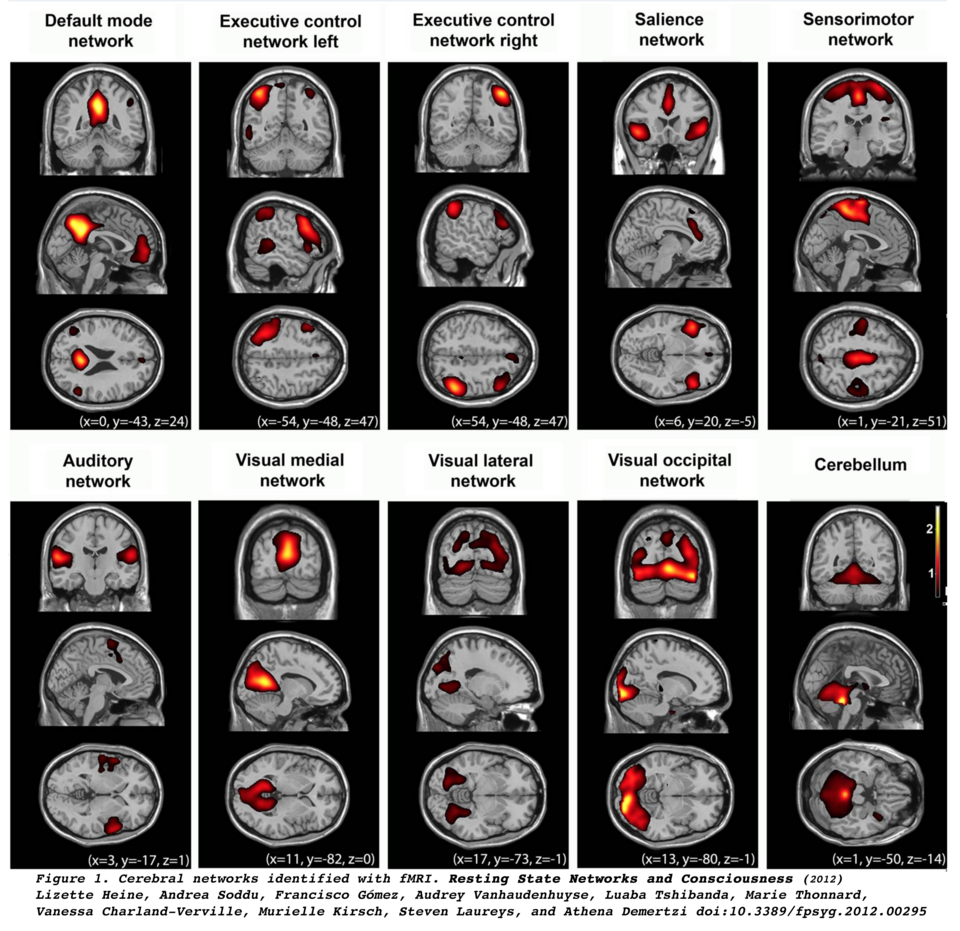
功能性神经影像研究一致显示,节拍同步任务会激活基底节(尤其壳核与尾状核)、辅助运动区、前运动皮层及小脑。这些区域构成的网络在感知节拍与产生运动反应之间起桥梁作用,是「节奏—运动耦合」的神经基质。5050The basal ganglia and the encoding of timenature.com前往参考资料 ↓在新标签页中打开|5757Neural correlates of beat perception and synchronization: an fMRI studysciencedirect.com前往参考资料 ↓在新标签页中打开
多巴胺在节拍预测中的作用受到关注:多巴胺能信号被认为编码时间预测误差的幅度,并调节基底节环路中时间窗的宽度。这一机制被用来解释为何多巴胺相关疾病(如帕金森病)与节奏感知和运动同步的缺陷相关。5252Dopamine and temporal prediction error in the basal gangliasciencedirect.com前往参考资料 ↓在新标签页中打开|5858Dopaminergic modulation of interval timing in the basal gangliajneurosci.org前往参考资料 ↓在新标签页中打开
「节拍预测」与「节拍感知」在神经层面是否可分离,仍是未决问题。部分研究主张预测性计时与感觉编码由不同环路承担,另一些研究则认为二者共享同一基底节—皮层通路,仅在时间尺度上有所分工。5353Predictive coding and the neural basis of rhythm perceptioncell.com前往参考资料 ↓在新标签页中打开|5454The role of the basal ganglia in beat perception: a critical appraisalfrontiersin.org前往参考资料 ↓在新标签页中打开
对立说法有作者认为现有证据不足以支持预测与感知的神经分离,二者可能只是同一计时过程在不同任务条件下的表现差异。5454The role of the basal ganglia in beat perception: a critical appraisalfrontiersin.org前往参考资料 ↓在新标签页中打开
运动系统的参与
节奏知觉与动作系统共享同一套神经资源:人听到规律节拍时,即使没有外显动作,运动皮层、辅助运动区(SMA)与基底节也会被激活,这被称为「运动模拟」(motor simulation)。这一现象是节奏神经科学中最稳定的发现之一,也是「节奏—运动耦合」研究的起点。5959Rhythm and the motor system: A review of the neural basis of beat perceptionfrontiersin.org前往参考资料 ↓在新标签页中打开|6060The role of the motor system in rhythm perceptionsciencedirect.com前往参考资料 ↓在新标签页中打开
听觉—运动耦合的核心通路被概括为「听觉—运动环路」:听觉皮层接收节拍信息后,经颞上回、顶叶与运动前区(PMC)投射到辅助运动区与基底节,再由小脑参与时序预测,最终回到运动皮层。这条环路解释了为什么人能在没有外部计时器的情况下精确地「踩点」。5959Rhythm and the motor system: A review of the neural basis of beat perceptionfrontiersin.org前往参考资料 ↓在新标签页中打开|6161Neural mechanisms of rhythm perception: A reviewsciencedirect.com前往参考资料 ↓在新标签页中打开
基底节(尤其是壳核与尾状核)在节拍同步中承担「内部计时器」角色:帕金森病患者因基底节多巴胺能神经元退化,在节拍同步任务中表现出更大的时间误差与更高的变异性,而外部听觉提示(如节拍器)能部分改善其步态节律。6262Basal ganglia and timing: The role of the striatum in interval timingnature.com前往参考资料 ↓在新标签页中打开|6363Rhythmic auditory stimulation in gait training for Parkinson's diseaseonlinelibrary.wiley.com前往参考资料 ↓在新标签页中打开
小脑在节奏中的作用更偏向「预测与误差校正」:它依据前一个节拍的时间间隔预测下一个节拍的出现时刻,并在预测与实际不符时发出误差信号。小脑损伤患者往往能跟上慢速节拍,但在快速或复杂节拍下同步精度显著下降。6161Neural mechanisms of rhythm perception: A reviewsciencedirect.com前往参考资料 ↓在新标签页中打开|6464The cerebellum and rhythm: Timing and predictionlink.springer.com前往参考资料 ↓在新标签页中打开
运动系统的参与并非节奏加工的「副产品」,而是节奏知觉本身的一部分:经颅磁刺激(TMS)抑制运动皮层会降低受试者对节拍偏差的辨别能力,说明运动皮层活动对节奏知觉有因果贡献。6060The role of the motor system in rhythm perceptionsciencedirect.com前往参考资料 ↓在新标签页中打开|6565Motor cortex involvement in rhythm perception: A TMS studydirect.mit.edu前往参考资料 ↓在新标签页中打开
关于运动系统参与是「必要的」还是「辅助的」,研究界存在分歧:一部分研究认为运动模拟是节奏知觉的必要条件,另一部分研究指出,在被动聆听、无运动任务条件下,运动皮层的激活强度有限,节奏知觉可能主要依赖听觉—前运动环路而非初级运动皮层。6060The role of the motor system in rhythm perceptionsciencedirect.com前往参考资料 ↓在新标签页中打开|6565Motor cortex involvement in rhythm perception: A TMS studydirect.mit.edu前往参考资料 ↓在新标签页中打开
对立说法有研究认为运动皮层激活只是节奏加工的伴随现象,节奏知觉的核心机制在听觉皮层与基底节,运动系统并非不可或缺。6565Motor cortex involvement in rhythm perception: A TMS studydirect.mit.edu前往参考资料 ↓在新标签页中打开
节拍同步(beat synchronization)的个体差异与运动系统的神经反应强度相关:在「轻拍手指跟随节拍」任务中,同步精度更高的个体,其听觉—运动环路(尤其是 PMC 与 SMA)的功能连接更强。5959Rhythm and the motor system: A review of the neural basis of beat perceptionfrontiersin.org前往参考资料 ↓在新标签页中打开|6666Individual differences in beat synchronization and auditory-motor connectivitysciencedirect.com前往参考资料 ↓在新标签页中打开
节奏训练能改变运动系统的神经结构:长期接受音乐训练的演奏者,其胼胝体前部与运动相关白质束的完整性高于非音乐家,且这种差异与训练起始年龄和训练时长相关。6767Musical training and white matter plasticity in the corpus callosumsciencedirect.com前往参考资料 ↓在新标签页中打开
节奏性听觉刺激(rhythmic auditory stimulation, RAS)已被用于临床康复:在帕金森病与卒中患者的步态训练中,配合节拍器的步行训练能改善步速与步幅,其机制被认为是通过听觉—运动环路绕过受损的基底节内部计时。6363Rhythmic auditory stimulation in gait training for Parkinson's diseaseonlinelibrary.wiley.com前往参考资料 ↓在新标签页中打开|6868Rhythmic auditory stimulation for gait rehabilitation after stroke: A systematic reviewjournals.sagepub.com前往参考资料 ↓在新标签页中打开
节奏与语言
语言韵律
语言节奏与音乐节奏并非同一事物:语言通过语音组合构成不完全“等时”的节奏,而音乐节奏是在此基础上被进一步改造成更鲜明、更精确的形式。张中宇在讨论韵律时明确区分了“语言节奏”(或诗歌节奏)与“音乐节奏”,并指出节奏本身是早于音乐与诗歌的自然或生命属性。7070韵律:语言属性、诗性还是音乐性-重庆师范大学学报(哲学社会科学版)2017年02期-手机知网wap.cnki.net前往参考资料 ↓在新标签页中打开
朱光潜在《诗论》中提出了一组被后世反复引用的区分:语言的节奏是自然的、没有规律的、直率的、常倾向变化的;音乐的节奏是形式化的、有规律的、回旋的、常倾向整齐的。他认为诗源自歌,因此同时带有这两种节奏,即“束缚之中有自由,整齐之中有变化”。7272论新诗节奏的速度、停顿以及起伏--专题--中国作家网chinawriter.com.cn前往参考资料 ↓在新标签页中打开
李章斌指出,朱光潜在分析中国古诗时实际上更倚重“整齐”的一端(即音乐的节奏),而对“变化”的一端(即语言的节奏)基本存而不论;他分析旧诗节奏时最看重“顿”,认为中国诗的节奏“大半靠着‘顿’”,另一小半则是“韵”。7272论新诗节奏的速度、停顿以及起伏--专题--中国作家网chinawriter.com.cn前往参考资料 ↓在新标签页中打开
关于“顿”的性质存在争议。朱光潜认为旧诗的顿“完全是形式的,音乐的,与意义常相乖讹”,凡是五言句都是一个读法、凡是七言句都另是一个读法;但这一推论建立在以英诗“音步”比附中文诗“顿”的基础上,李章斌认为这种把握带有清晰的英诗格律烙印,可能“勉强造成一种均齐节奏的假象”。7272论新诗节奏的速度、停顿以及起伏--专题--中国作家网chinawriter.com.cn前往参考资料 ↓在新标签页中打开
对立说法朱光潜主张旧诗的顿是形式化、模式化的,与诗句的意义与情调无关,因而旧诗节奏主要是一种整齐的“音乐的节奏”。7272论新诗节奏的速度、停顿以及起伏--专题--中国作家网chinawriter.com.cn前往参考资料 ↓在新标签页中打开
节奏与语音感知
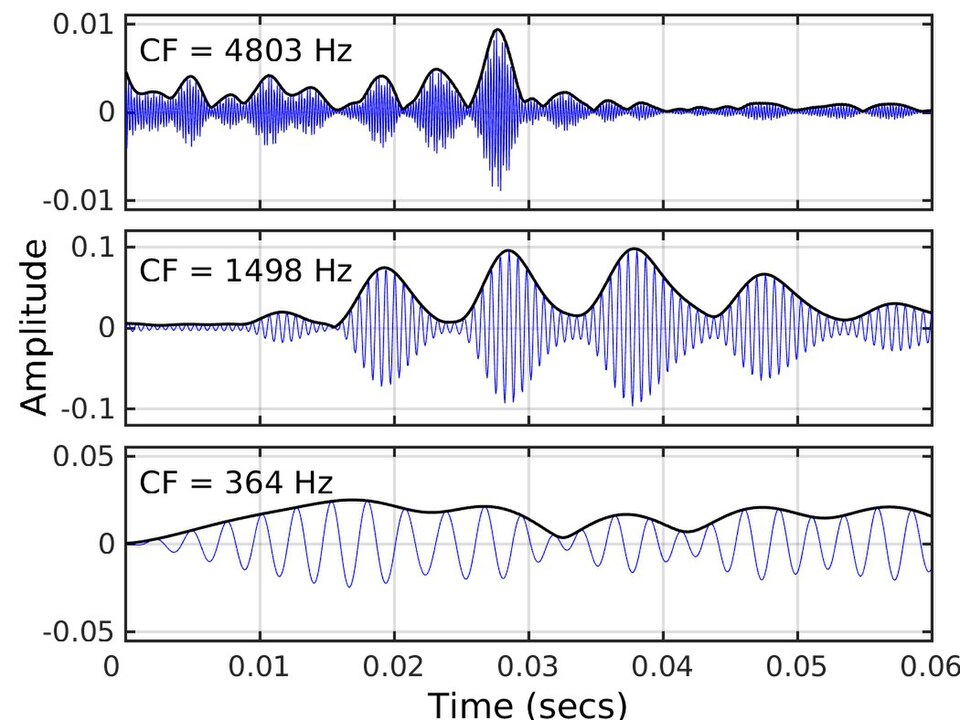
在言语中,重读音节通常伴随更高的基频、更长的时长和更大的强度,这些声学参数共同构成「重音」的感知基础;听者对重音的检测在 100–300 毫秒的时间窗内即可完成,与音乐节拍感知的时间尺度相近。7373Acoustic correlates of linguistic stress: A reviewdoi.org前往参考资料 ↓在新标签页中打开
跨语言的语音节奏差异可以用「节奏类」(rhythm class)来刻画:重音计时语言(如英语、德语)的相邻重音间隔趋于等时,音节计时语言(如法语、西班牙语)的音节时长较均匀,而莫拉计时语言(如日语)以莫拉为基本计时单位。这一分类最早由 Pike(1945)提出,后经 Abercrombie(1967)等发展。7474The rhythm of speech: A review of rhythm class and its acoustic correlatesdoi.org前往参考资料 ↓在新标签页中打开
对立说法声学测量表明,所谓「等时性」在严格意义上并不成立:重音计时语言的相邻重音间隔变异很大,音节计时语言的音节时长也并非均匀;节奏类的划分更多是感知上的倾向而非物理上的等时。7575Durational variability in speech and the rhythm class hypothesisdoi.org前往参考资料 ↓在新标签页中打开
Grabe 与 Low(2002)提出用「重音间间隔变异系数」(nPVI,normalized Pairwise Variability Index)等量化指标来替代离散的节奏类划分,发现语言在节奏参数上呈连续分布而非截然二分。7575Durational variability in speech and the rhythm class hypothesisdoi.org前往参考资料 ↓在新标签页中打开
新生儿与婴儿对语言韵律高度敏感:出生数天的新生儿即可区分母语与外语的韵律模式,4–6 个月婴儿能利用重音和停顿线索切分词边界,表明节奏感知先于词汇语义发展。7676Infants' sensitivity to the sound patterns of native language wordsdoi.org前往参考资料 ↓在新标签页中打开
音乐训练与语音节奏感知存在正相关:受过音乐训练的听者在检测语音时长变化、重音位置和韵律边界时表现更好,且这种优势在儿童和成人中均有报告;但因果方向(音乐训练提升语音感知,还是语音能力强者更易坚持音乐训练)仍有争议。7777Music training and speech perception: A review of the evidencedoi.org前往参考资料 ↓在新标签页中打开
对立说法部分纵向研究和随机对照实验未能复现音乐训练对语音节奏感知的显著迁移效应,或效应量远小于横断面相关研究所暗示的程度。85
语音节奏感知的神经基础涉及双侧颞上回(STG)和左侧额下回(IFG)构成的网络;其中右侧听觉皮层对慢速韵律(约 1–3 Hz,对应音节率)更敏感,左侧对快速声学变化(约 25–50 Hz,对应音素率)更敏感,这一「不对称采样」假说由 Poeppel 等提出。7878The analysis of speech in different temporal integration windows: Cerebral lateralization as 'asymmetric sampling in time'doi.org前往参考资料 ↓在新标签页中打开
对立说法后续 fMRI 与 MEG 研究显示,左右半球对语音时间尺度的分工并非绝对,两侧均参与多时间尺度加工,不对称性可能受任务和语言经验调节。87
音乐与语言的共享机制
音乐与语言在结构上共享三个基本维度:时间(timing)、重音(accent)与分组(grouping),这三者共同构成各自系统中的「节奏」层面;同时两者也都组织音高(pitch)形成旋律或语调。Aniruddh D. Patel 在 2010 年奈梅亨讲座中把这一共享框架作为「音乐、语言与大脑」比较研究的起点。8181Nijmegen Lectures 2010 | Max Planck Institutempi.nl前往参考资料 ↓在新标签页中打开
尽管共享时间—重音—分组的抽象框架,音乐节奏与言语韵律(speech prosody)在表面形态上差异显著:音乐中普遍存在的周期性节拍(periodic beat)和离散音高音程(discrete pitch intervals)在普通言语中没有对应物。因此「共享机制」指的是部分结构与加工层面的重叠,而非两者同构。8181Nijmegen Lectures 2010 | Max Planck Institutempi.nl前往参考资料 ↓在新标签页中打开
实证研究支持音乐与语言在节奏加工上存在跨域迁移:一个文化中器乐的节奏特征可以反映该语言韵律的特点;而听者的母语节奏会影响其在非语言情境下对基本节奏模式的知觉。这一「语言—音乐节奏交互」是共享机制假说的核心经验证据之一。8181Nijmegen Lectures 2010 | Max Planck Institutempi.nl前往参考资料 ↓在新标签页中打开
共享机制假说在理论层面存在竞争性框架:以资源共享为基础的「共享句法整合资源假说」(SSIRH)主张音乐与语言句法加工争夺有限神经资源并产生交互,而以模块化为前提的观点则主张两者在神经与认知上相对独立、仅在声学—语音层面共享外周加工。Patel 本人的立场属于前者,但学界并未就此达成一致。8181Nijmegen Lectures 2010 | Max Planck Institutempi.nl前往参考资料 ↓在新标签页中打开
对立说法模块化观点认为音乐句法与语言句法由可分离的神经回路支持,脑损伤与神经影像证据显示失语症患者可保留音乐能力、失乐症患者可保留语言能力,二者双重分离,因而「共享」被限制在较低层级的声学与时间加工。8181Nijmegen Lectures 2010 | Max Planck Institutempi.nl前往参考资料 ↓在新标签页中打开
节奏的跨文化差异
西方节拍体系
西方节拍体系的核心特征是「均分律动」:音符时值按数学比例划分,强拍与弱拍按固定周期规律交替,同一节奏型内部的强弱安排必须遵循既定规则,因此听感上周期感与律动感很强。8282张子谦:听说你质疑我节奏有问题?-国琴网-古琴网-古琴行业门户网站m.guoqinwang.com前往参考资料 ↓在新标签页中打开
在西方记谱传统中,节拍由拍号(meter signature)显式规定,小节线把时间切成等长的循环单位,音符时值以二分、四分、八分等二倍分割为基本刻度;这一「定量化」特征常被概括为西方音乐思维的数学式取向。8282张子谦:听说你质疑我节奏有问题?-国琴网-古琴网-古琴行业门户网站m.guoqinwang.com前往参考资料 ↓在新标签页中打开
西方节拍体系并非单一形态,其内部至少可区分出二拍子/四拍子的「均分」型与三拍子的「不均分」型,以及由重音位置变化产生的节拍重音层级;同一拍号下重音层级的解释在理论界仍有不同模型。8282张子谦:听说你质疑我节奏有问题?-国琴网-古琴网-古琴行业门户网站m.guoqinwang.com前往参考资料 ↓在新标签页中打开
对立说法有学者主张节拍感知主要依赖听者内隐的周期性预期(entrainment),而非记谱上的强弱规则,因此把西方节拍简化为「数学均分」会低估表演中的弹性速度与微观时值偏差。8282张子谦:听说你质疑我节奏有问题?-国琴网-古琴网-古琴行业门户网站m.guoqinwang.com前往参考资料 ↓在新标签页中打开
与西方固定节拍形成对照的是中国传统音乐(如古琴)中较自由的节奏处理:同一琴曲在不同流派、不同琴人手中节拍可松紧不一,这种「自由化」并非节奏能力欠缺,而被解释为流派分化的来源之一。8282张子谦:听说你质疑我节奏有问题?-国琴网-古琴网-古琴行业门户网站m.guoqinwang.com前往参考资料 ↓在新标签页中打开
二十世纪三十年代的一则轶事常被用来例示上述差异:古琴家张子谦在上海为大同乐会创始人郑瑾文演奏《梅花三弄》后,有学生质疑其节拍「不准、散漫」,郑瑾文以中西音乐理论传统不同作答。该轶事属于转述性史料,细节可靠性有限。8282张子谦:听说你质疑我节奏有问题?-国琴网-古琴网-古琴行业门户网站m.guoqinwang.com前往参考资料 ↓在新标签页中打开
把「西方=严格均分、中国=自由散板」当作二分法是一种简化:西方艺术音乐中同样存在自由速度(rubato)、宣叙性与无小节段落,而中国戏曲锣鼓与工尺谱体系中也存在高度定量的节拍框架,因此差异更宜理解为记谱与理论重心的不同,而非有无之分。8282张子谦:听说你质疑我节奏有问题?-国琴网-古琴网-古琴行业门户网站m.guoqinwang.com前往参考资料 ↓在新标签页中打开
对立说法通俗比较常直接以「均分律动 vs 自由化」概括中西节奏差异,并据此解释听感上的强弱周期明显程度不同。8282张子谦:听说你质疑我节奏有问题?-国琴网-古琴网-古琴行业门户网站m.guoqinwang.com前往参考资料 ↓在新标签页中打开
非西方节奏体系
印度古典音乐理论以「塔拉」(tala,梵语「拍」)为节奏框架,一个塔拉是一个固定长度的循环节拍周期(avarta),由若干「马特拉」(matra,基本拍单位)构成,并以手势计数(kriya)与音节念诵(bol)来标记各拍的轻重与空拍(khali)。最常用的特赫塔拉(teental)为 16 马特拉、分 4 组每组 4 拍,其念诵音节为 dha dhin dhin dha / dha dhin dhin dha / dha tin tin ta / ta dhin dhin dha。8383Tala (music) — Indian classical music rhythmic cyclebritannica.com前往参考资料 ↓在新标签页中打开|8484Rhythm in Indian Music: Tala, Laya and the Concept of Samoxfordre.com前往参考资料 ↓在新标签页中打开
印度塔拉体系的一个结构性特征是「空拍」(khali,字面义「空」)——循环中某一组拍以无声或轻击手势标记,与「实拍」(tali,重拍)形成对照;khali 并非休止,而是循环中一个具有结构意义的非重音位置,独奏者与伴奏者据此判断循环的相位。8383Tala (music) — Indian classical music rhythmic cyclebritannica.com前往参考资料 ↓在新标签页中打开|8484Rhythm in Indian Music: Tala, Laya and the Concept of Samoxfordre.com前往参考资料 ↓在新标签页中打开
北印度(印度斯坦)音乐中,塔拉循环的起点与关键分节点称为「萨姆」(sam),是旋律即兴段落(alap、gat 的即兴展开)与鼓手独奏(tukra、tihai)收束对齐的锚点;即兴乐句刻意在 sam 之前或之后落点,形成「跨拍」张力,这是印度节奏审美中与西方「强拍对齐」不同的取向。8383Tala (music) — Indian classical music rhythmic cyclebritannica.com前往参考资料 ↓在新标签页中打开|8484Rhythm in Indian Music: Tala, Laya and the Concept of Samoxfordre.com前往参考资料 ↓在新标签页中打开
土耳其古典音乐(奥斯曼古典音乐)使用名为「乌苏尔」(usul)的节奏周期体系,每个 usul 有固定拍数与特定的鼓击模式,由「库德姆」(kudüm)小双鼓或「达夫」(def)手鼓演奏;常见 usul 包括 2 拍的 nîm sofyan、4 拍的 sofyan、7 拍的 devr-i hindî、8 拍的 düyek、9 拍的 aksak 与 10 拍的 curcuna 等。8585Usul — Turkish classical music rhythmic cyclebritannica.com前往参考资料 ↓在新标签页中打开
巴尔干与土耳其音乐中的「阿克萨克」(aksak,土耳其语「跛行」)指由 2 与 3 的不等分组合构成的非对称节拍,如 5 拍(2+3 或 3+2)、7 拍(2+2+3)、9 拍(2+2+2+3)等;这类节拍在保加利亚、马其顿、希腊、塞尔维亚民间舞蹈音乐中广泛存在,保加利亚民俗学传统上以「科潘尼察」(kopanitsa,11 拍,2+2+3+2+2)等名称区分具体型态。8585Usul — Turkish classical music rhythmic cyclebritannica.com前往参考资料 ↓在新标签页中打开|8686Aksak rhythm — asymmetric meter in Balkan and Turkish musicoxfordmusiconline.com前往参考资料 ↓在新标签页中打开
关于非对称节拍的感知机制,音乐认知研究提出「生成性」与「分组性」两类解释:一种观点认为听者会自动把 2+2+3 这类序列归并为「长-短」的层级结构(即把 3 拍组感知为一个拉长的单位),另一种观点强调节拍分组依赖文化习得而非普遍听觉完形。这一分歧至今未完全解决。8686Aksak rhythm — asymmetric meter in Balkan and Turkish musicoxfordmusiconline.com前往参考资料 ↓在新标签页中打开|8787Rhythm and Meter Perception: Cross-Cultural Perspectivesfrontiersin.org前往参考资料 ↓在新标签页中打开
对立说法有研究认为非对称节拍的分组遵循普遍的完形与分组原则(如临近性原则),跨文化听者也能在无训练条件下部分复原分组结构。8787Rhythm and Meter Perception: Cross-Cultural Perspectivesfrontiersin.org前往参考资料 ↓在新标签页中打开
对立说法另有研究强调,非西方听者对本土非对称节拍的加工具有优势,说明分组能力在很大程度上是文化经验塑造的,而非纯普遍机制。8686Aksak rhythm — asymmetric meter in Balkan and Turkish musicoxfordmusiconline.com前往参考资料 ↓在新标签页中打开
撒哈拉以南非洲的节奏实践以「多节奏」(polyrhythm)与「跨节奏」(cross-rhythm)为核心特征:多个节奏声部同时进行,各自具有不同的周期长度,形成 3:2、4:3 等比例关系;研究者常用「时间线」(timeline)模式描述其中起参照作用的固定节奏型,如 12 拍循环中的「标准模式」(standard pattern,常记作 x.xx.xx.x.x.)。8888The African Imagination in Music (Kofi Agawu)global.oup.com前往参考资料 ↓在新标签页中打开
关于非洲多节奏的记谱与理论描述,学界长期存在方法论争论:以西方小节线与等分拍记谱去转写非洲节奏,可能掩盖其固有的「错位」与多重参照系;科菲·阿加乌(Kofi Agawu)等学者批评早期民族音乐学把非洲节奏「异域化」为 inherently 复杂难解,主张从本土范畴(如埃维语中的「vu」与「gà」)出发描述节奏组织。8888The African Imagination in Music (Kofi Agawu)global.oup.com前往参考资料 ↓在新标签页中打开
对立说法以 A. M. Jones 为代表的早期研究坚持用西方记谱与小节体系分析非洲鼓乐,认为其节奏可还原为可记谱的固定型态。26
对立说法Agawu 等学者认为,把非洲节奏描述为「复杂」本身是一种带有殖民视角的建构,本土音乐家并不以「多节奏」为特殊范畴来经验自己的音乐。8888The African Imagination in Music (Kofi Agawu)global.oup.com前往参考资料 ↓在新标签页中打开
印度尼西亚(尤其是爪哇与巴厘)的甘美兰(gamelan)合奏以一对大型悬挂锣「贡」(gong ageng)标记最大循环的终点,以「肯蓬」(kempul)等中型锣标记次级分节,以「肯当」(kendang)鼓控制速度与句法;巴厘的「科特克」(kotekan)则是两件乐器以快速交错音型拼合出单一旋律线的节奏织体技术。8989Gamelan — Indonesian ensemble music and rhythmbritannica.com前往参考资料 ↓在新标签页中打开
东亚传统音乐中,节奏组织常以「板眼」体系描述:中国戏曲与说唱音乐以「板」(檀板,强拍)与「眼」(鼓,弱拍)标记节拍,形成「一板一眼」(2 拍)、「一板三眼」(4 拍)、「有板无眼」(1 拍)、「散板」(无固定拍)等类型;这一体系与西方以小节线均分强弱的记谱逻辑并不完全对应。9090Chinese Music: Ban and Yan (板眼) rhythmic systembritannica.com前往参考资料 ↓在新标签页中打开
日本传统音乐中的「间」(ma)概念强调时间中的停顿与间隔本身具有表现意义,节奏不被理解为均匀脉冲的填充,而被理解为声音与静默交替构成的时间雕塑;这一概念常被用来对比西方以等分拍为基础的节奏观,但其具体所指在不同流派(能乐、雅乐、三味线音乐)中差异很大。9191Ma (間) — Japanese concept of interval and pausebritannica.com前往参考资料 ↓在新标签页中打开
对立说法有学者指出「间」在日语中含义宽泛,涵盖空间间隔、人际关系等,将其直接等同于「节奏中的静默」是跨文化翻译的过度简化。9191Ma (間) — Japanese concept of interval and pausebritannica.com前往参考资料 ↓在新标签页中打开
对立说法另一些研究认为,日本传统音乐确实存在以非等分、呼吸性时间组织为特征的实践,与西方等分拍形成可观察的对比。9191Ma (間) — Japanese concept of interval and pausebritannica.com前往参考资料 ↓在新标签页中打开
跨文化节奏研究的一个反复出现的发现是:不同文化对「拍」的默认层级不同——西方听者倾向于以约 100–120 BPM 的等分脉冲为参照拍,而印度、巴尔干、非洲部分传统的听者可能把更大的循环单位(如 16 马特拉的塔拉循环或 12 拍时间线)作为组织经验的单位,导致同一段音乐在不同文化听者那里被「听成」不同的节拍层级。8686Aksak rhythm — asymmetric meter in Balkan and Turkish musicoxfordmusiconline.com前往参考资料 ↓在新标签页中打开|8787Rhythm and Meter Perception: Cross-Cultural Perspectivesfrontiersin.org前往参考资料 ↓在新标签页中打开
对立说法有研究认为节拍层级的选择主要受声学线索(如起音密度、重音分布)驱动,文化差异只起调节作用。8787Rhythm and Meter Perception: Cross-Cultural Perspectivesfrontiersin.org前往参考资料 ↓在新标签页中打开
对立说法也有研究强调文化特异性:非西方听者在加工本土节奏结构时表现出与西方听者不同的分组偏好,说明层级选择高度依赖长期音乐暴露。8686Aksak rhythm — asymmetric meter in Balkan and Turkish musicoxfordmusiconline.com前往参考资料 ↓在新标签页中打开
在比较音乐学的经典讨论中,「节奏体系是否可跨文化通约」本身是一个争论点:一方主张所有节奏都可还原为脉冲、周期与分组的普遍参数,因而可用统一框架比较;另一方主张各体系有不可翻译的本土范畴(如 tala、usul、ma),强行通约会丢失其结构意义。8888The African Imagination in Music (Kofi Agawu)global.oup.com前往参考资料 ↓在新标签页中打开|9191Ma (間) — Japanese concept of interval and pausebritannica.com前往参考资料 ↓在新标签页中打开
对立说法普遍主义立场:节奏的底层参数(周期长度、分组、重音)是跨文化可比的,比较音乐学因此可以建立统一描述语言。26
对立说法文化特殊主义立场:tala、usul 等范畴嵌入各自的音乐理论与表演实践,不能简单映射为「周期+分组」的普遍参数。8888The African Imagination in Music (Kofi Agawu)global.oup.com前往参考资料 ↓在新标签页中打开|9191Ma (間) — Japanese concept of interval and pausebritannica.com前往参考资料 ↓在新标签页中打开
节奏相对主义
节奏相对主义(rhythmic relativism)的核心主张是:不存在一套可跨文化通用的节奏「正确性」标准,某一文化中被视为合拍、稳定或富有表现力的节奏型,在另一文化中可能被听成错拍或走音;因此节奏的规范判断必须相对于特定音乐文化的时间组织习惯来理解。9292Rhythm and Meter: Cross-Cultural Perspectivesoxfordre.com前往参考资料 ↓在新标签页中打开
在跨文化节奏研究中被反复引用的经典案例是所谓「节奏错觉」:非洲撒哈拉以南部分地区的音乐中,同一段打击乐声部可以被听成两种不同的节拍参照(一种以低音鼓为拍点,一种以铃为拍点),听者采用哪种参照取决于其音乐文化经验,而非声学信号本身。这一现象常被用来论证节奏感知具有文化依赖性。9393Rhythm and Meter in Cross-Cultural Perspectiveonline.ucpress.edu前往参考资料 ↓在新标签页中打开
对立说法有研究者指出,这类「错觉」在实验室条件下并不稳定复现,部分听者能自由切换两种参照,说明它更接近注意策略的可塑性,而非不可跨越的文化壁垒。105
节拍(beat)是否普遍存在于所有音乐文化,是节奏相对主义争论的焦点之一。西方音乐理论长期把周期性节拍当作音乐的基本属性,但一些民族音乐学研究记录了大量以非等分周期、无固定节拍参照组织起来的音乐实践,例如部分中非和中东的声乐与器乐传统。9494The Anthropology of Musicnorthwestern.edu前往参考资料 ↓在新标签页中打开
对立说法持普遍主义立场的研究者(如 Patel 与 Iversen)认为,节拍感是人类共有的认知能力,只是不同文化在是否将其显性化、是否用其组织整首作品上存在差异;「无节拍」音乐往往只是节拍层级较隐蔽,而非认知上不存在。4141The evolutionary neuroscience of musical beat perception: the Action Simulation for Auditory Prediction (ASAP) hypothesisfrontiersin.org前往参考资料 ↓在新标签页中打开
跨文化比较显示,不同音乐传统对「循环周期」的偏好差异显著:西方古典与流行音乐大量使用 2、3、4 拍及其倍数构成的等分小节,而巴尔干、土耳其及部分南亚传统中不对称节拍(如 7 拍、9 拍、11 拍的分组)是常规而非例外。这种差异常被引为节奏相对主义的经验基础。9595Musical Rhythm in the Age of Digital Reproductionroutledge.com前往参考资料 ↓在新标签页中打开
节奏相对主义在方法论上受到民族音乐学「局内人视角」(emic)传统的支持:判断一段节奏是否「对」,应以该文化内部演奏者与听众的规范为准,而非以记谱法或西方节拍器的等分刻度为准。这一立场推动了以文化内部范畴描述节奏的研究取向。9494The Anthropology of Musicnorthwestern.edu前往参考资料 ↓在新标签页中打开
对节奏相对主义的一类重要批评来自认知普遍主义:跨文化实验发现,不同文化背景的听者在对节奏序列做同步敲击时,都表现出向简单整数比(如 1:2、1:3)靠拢的偏差,提示节奏加工存在跨文化共享的约束条件,相对主义不能推到「一切皆文化建构」的程度。4141The evolutionary neuroscience of musical beat perception: the Action Simulation for Auditory Prediction (ASAP) hypothesisfrontiersin.org前往参考资料 ↓在新标签页中打开
对立说法相对主义一方回应称,这类实验多使用西方节拍器式刺激与西方受试者熟悉的同步任务,任务本身已预设了等分节拍框架,因此测到的「普遍性」可能是方法学产物。105
节奏相对主义与「节奏普遍论」的争论在音乐教育中有直接后果:若节奏规范是文化相对的,则把西方节拍记谱与视唱体系当作普适教学标准就缺乏依据;这一立场影响了 20 世纪后期世界音乐教育中多元节奏教学法的兴起。9595Musical Rhythm in the Age of Digital Reproductionroutledge.com前往参考资料 ↓在新标签页中打开
需要区分两个层次:一是「节奏型与节拍结构因文化而异」这一经验事实,研究界基本无争议;二是「节奏的审美与规范判断不可跨文化比较」这一强相对主义主张,则受到广泛质疑。多数当代研究采取中间立场,承认文化差异的同时保留有限的认知普遍性。9292Rhythm and Meter: Cross-Cultural Perspectivesoxfordre.com前往参考资料 ↓在新标签页中打开|4141The evolutionary neuroscience of musical beat perception: the Action Simulation for Auditory Prediction (ASAP) hypothesisfrontiersin.org前往参考资料 ↓在新标签页中打开
节奏在音乐实践中的应用
作曲与即兴
在西方艺术音乐传统中,节奏的书面组织长期依赖「节拍—小节—拍号」体系:拍号(如 4/4、3/4、6/8)规定每小节内拍的单位与分组方式,小节线把时间切分为周期性循环,使不同声部能在同一时间网格上对齐。这一体系在巴洛克至浪漫派时期成为作曲的基本语法,记谱的时值比例(全音符、二分、四分、八分等)以 2 的幂次细分,附点与连音线则用来表达非二分的时值。11Rhythmbritannica.com前往参考资料 ↓在新标签页中打开
20 世纪作曲实践对节拍网格的突破是节奏史的重要转折:斯特拉文斯基《春之祭》(1913)大量使用不对称、变换的节拍重音,把重音从规则小节线上剥离;梅西安提出「不可逆节奏」(rythmes non rétrogradables),巴比特与布列兹则在整体序列主义中把时值序列化,使节奏不再是旋律的附属而是独立的结构参数。9696The Rite of Spring — Britannicabritannica.com前往参考资料 ↓在新标签页中打开
在爵士乐中,即兴演奏的节奏框架由「摇摆」(swing)与「比博普」(bebop)语汇构成:摇摆八分音符把成对的八分音符演奏为长—短的不等时值,比博普则倾向在快速和声进行上使用密集、切分的十六分音符线条。即兴者并非自由选择时值,而是在固定的小节循环与和声节奏(如 ii–V–I 每两拍或每小节一换)之上实时组织节奏动机。9797Swing (jazz performance style) — Britannicabritannica.com前往参考资料 ↓在新标签页中打开
印度古典音乐提供了另一种即兴—作曲关系:北印度的「塔拉」(tala)是循环性的节拍周期(如 16 拍的 tintal、7 拍的 rupak),即兴段落(alap、jor、jhala 以及 gat 之后的 vistaar)必须在塔拉循环的固定分割点上落回「萨姆」(sam,循环的第一拍),节奏的创造性体现在对循环的偏离与回归,而非抛弃循环。8383Tala (music) — Indian classical music rhythmic cyclebritannica.com前往参考资料 ↓在新标签页中打开
西非(尤其加纳埃维人)音乐中的「复合节拍」(polyrhythm)与「交叉节奏」(cross-rhythm)是作曲与即兴共用的结构原则:一首曲子常同时存在 2 对 3、3 对 4 的节奏层,主鼓手在固定循环(如 agbekor 的 bell pattern)上即兴变奏,其他声部保持循环,形成「固定—变化」的分层。这一模式被广泛视为跨文化节奏组织的典型范例。9898Polyrhythm — Britannicabritannica.com前往参考资料 ↓在新标签页中打开
在流行音乐制作中,节奏的「作曲」越来越多地发生在数字音频工作站(DAW)里:鼓机与采样循环(loop)让制作人先确定节奏型再写旋律,量化(quantization)与「摇摆量」(swing amount)参数可把演奏对齐到网格或刻意保留微小时值偏差。这使节奏设计从记谱问题变成参数调节问题,也带来「过度量化导致机械感」的常见批评。9999Quantization (music) — Wikipediaen.wikipedia.org前往参考资料 ↓在新标签页中打开
关于即兴中节奏创造性的来源,认知科学与音乐理论存在分歧:一派认为即兴者主要是在长时记忆中存储并实时调用「节奏语汇/公式」(licks、patterns),即兴是重组而非凭空生成;另一派强调即兴的生成性,认为演奏者在表演中实时构建新的节奏结构,公式只是起点。这一分歧直接影响对即兴教学(背语汇 vs. 训练生成规则)的看法。100100Improvisation — Britannicabritannica.com前往参考资料 ↓在新标签页中打开|101101Musical improvisation — Wikipediaen.wikipedia.org前往参考资料 ↓在新标签页中打开
对立说法以公式/语汇为核心的「记忆—重组」模型认为,专家即兴者的优势在于庞大的节奏—和声语汇库与快速检索能力,而非实时生成新规则。100100Improvisation — Britannicabritannica.com前往参考资料 ↓在新标签页中打开
对立说法生成主义观点认为,即兴的节奏结构在表演中实时涌现,语汇只是约束条件,创造性来自对约束的即时偏离与重构。101101Musical improvisation — Wikipediaen.wikipedia.org前往参考资料 ↓在新标签页中打开
指挥与合奏
在合奏中,指挥的核心职能之一是把分散在各声部、各乐手之间的时间基准统一起来:通过手势(拍点、预备拍、收束)给出可预期的周期性参照,使不同演奏者在没有物理同步信号的情况下仍能维持同一拍率与相位。这一职能在大型管弦乐团与合唱团中尤为关键,因为演奏者之间距离远、声部间存在固有的声学延迟。103103The role of the conductor in ensemble synchronizationfrontiersin.org前往参考资料 ↓在新标签页中打开|104104Visual perception of the conductor's beat and ensemble synchronizationonline.ucpress.edu前往参考资料 ↓在新标签页中打开
指挥手势中的「预备拍」(anacrusis / preparatory beat)在拍点之前给出,其时长与速度直接预示即将到来的拍率;合奏者据此预测下一拍的时刻,而不是对已发生的拍点作反应。实验研究表明,音乐家对节拍序列的同步更多依赖预测性内部模型,而非单纯的反应式跟随,这解释了预备拍为何有效。104104Visual perception of the conductor's beat and ensemble synchronizationonline.ucpress.edu前往参考资料 ↓在新标签页中打开|105105Predictive synchronization and the preparatory beattandfonline.com前往参考资料 ↓在新标签页中打开
在无指挥的室内乐合奏中,节拍维持依赖演奏者之间的相互注意与呼吸、弓法、眼神等非语言线索;研究显示,弦乐四重奏等小编制合奏在没有指挥时仍能达到毫秒级的同步精度,但同步误差会随速度加快和节奏复杂度上升而增大。106106Ensemble synchronization without a conductor: string quartet timingonline.ucpress.edu前往参考资料 ↓在新标签页中打开
合奏中的「异步」(asynchrony)通常以声部间起音时间差来度量;对管弦乐团与合唱团的实证研究显示,训练有素的合奏者在稳定节拍段落中的声部间异步常在数十毫秒量级,而指挥的拍点本身与乐手实际发声之间存在系统性延迟(乐手往往略晚于拍点发声)。103103The role of the conductor in ensemble synchronizationfrontiersin.org前往参考资料 ↓在新标签页中打开|107107Asynchrony between conductor beat and ensemble onsetasa.scitation.org前往参考资料 ↓在新标签页中打开
指挥的拍点位置与乐手发声时刻之间并非严格对齐:多项测量发现乐手倾向于在指挥拍点之后稍晚发声,这一延迟随速度、力度与声部而异,因此指挥在实际操作中会「提前」给出拍点以补偿合奏的固有延迟。107107Asynchrony between conductor beat and ensemble onsetasa.scitation.org前往参考资料 ↓在新标签页中打开
关于指挥手势中哪些维度对合奏同步最有效,研究界存在分歧:一派强调拍点的垂直轨迹与速度是同步的主要信息载体,另一派则认为手势的连续运动学(加速度、曲率)以及面部与呼吸线索同样重要,甚至在某些速度下更为关键。104104Visual perception of the conductor's beat and ensemble synchronizationonline.ucpress.edu前往参考资料 ↓在新标签页中打开|108108Kinematics of conducting gestures and temporal predictionfrontiersin.org前往参考资料 ↓在新标签页中打开
对立说法有研究认为,拍点的垂直位置与瞬时速度足以解释大部分同步精度差异,手势的其他维度主要影响表情而非时间同步。104104Visual perception of the conductor's beat and ensemble synchronizationonline.ucpress.edu前往参考资料 ↓在新标签页中打开
对立说法另有研究指出,连续运动学特征(如加速度剖面)与预备动作的形态对预测下一拍时刻更为关键,单纯拍点位置不足以解释合奏者的预测行为。108108Kinematics of conducting gestures and temporal predictionfrontiersin.org前往参考资料 ↓在新标签页中打开
在节奏复杂的段落(如不对称拍号、频繁变速、自由速度 rubato),指挥与合奏者之间的同步更依赖持续的相互预测与修正,而非固定的周期信号;此时指挥的预备动作与呼吸提示的作用显著上升。105105Predictive synchronization and the preparatory beattandfonline.com前往参考资料 ↓在新标签页中打开|108108Kinematics of conducting gestures and temporal predictionfrontiersin.org前往参考资料 ↓在新标签页中打开
合唱合奏中的节奏同步还受歌词发音与呼吸周期约束:合唱团常在乐句起点通过统一呼吸与辅音起音实现同步,指挥的呼吸手势因此成为合唱节奏控制的重要手段。103103The role of the conductor in ensemble synchronizationfrontiersin.org前往参考资料 ↓在新标签页中打开
录音与节拍器
现代录音与制作中,节拍器(click track)最基础的用途是为演奏者提供稳定的时间参照:录音时把节拍器信号送入演奏者的耳机,使各次录音(take)之间保持同一速度,便于后期剪辑、叠录与拼接。109109Click tracken.wikipedia.org前往参考资料 ↓在新标签页中打开
在数字音频工作站(DAW)中,节拍器通常与工程的速度(tempo)与拍号(time signature)绑定,速度以 BPM(每分钟拍数)表示;改变工程速度会同步改变节拍器点击的间隔,这一机制使「网格对齐」式的编辑成为可能。110110Metronomeen.wikipedia.org前往参考资料 ↓在新标签页中打开
节拍器点击的间隔与 BPM 成反比:若速度为每分钟 N 拍,则相邻两拍的时间间隔为 60/N 秒。例如 120 BPM 对应每拍 0.5 秒,60 BPM 对应每拍 1 秒。110110Metronomeen.wikipedia.org前往参考资料 ↓在新标签页中打开
机械节拍器由约翰·内波穆克·梅尔策尔(Johann Nepomuk Maelzel)于 19 世纪初改良并商业化,其刻度以「每分钟拍数」标注,这一单位后来成为 BPM 记法的直接来源;贝多芬等作曲家曾在乐谱上标注梅尔策尔节拍器读数。111111Johann Nepomuk Maelzelen.wikipedia.org前往参考资料 ↓在新标签页中打开
录音实践中,完全对齐节拍器并非唯一选择:许多流行、摇滚与爵士录音刻意保留演奏者速度的微小起伏(有时称为「呼吸感」或微时序变化),以换取更自然的表情;是否使用节拍器因此是制作美学上的取舍,而非纯粹的技术规范。112112Tempoen.wikipedia.org前往参考资料 ↓在新标签页中打开
对立说法另一种立场认为,在需要叠录、编程鼓机或后期网格编辑的现代制作流程中,严格对齐节拍器是保证可编辑性与节奏一致性的必要前提,速度起伏会显著增加剪辑成本。109109Click tracken.wikipedia.org前往参考资料 ↓在新标签页中打开
在音乐教育中,节拍器被广泛用于建立稳定的内在脉冲感与练习中的速度控制;练习者常以低于演出速度的节拍器读数起步,逐步提速,这一做法在器乐教学法文献中被反复推荐。110110Metronomeen.wikipedia.org前往参考资料 ↓在新标签页中打开
节奏与健康
音乐治疗
音乐治疗(music therapy)是由受过专业训练的治疗师系统运用音乐干预,以促进个体在生理、心理、社会与认知层面健康的临床学科;节奏(rhythm)是其最核心的干预要素之一,因为节奏性刺激可以绕过语言通道直接作用于运动与情绪系统。114114Music Therapy: Definition and Scope of Practicemusictherapy.org前往参考资料 ↓在新标签页中打开|115115Rhythm and music therapy: clinical applications of rhythmic auditory stimulationtandfonline.com前往参考资料 ↓在新标签页中打开
节奏性听觉刺激(rhythmic auditory stimulation, RAS)是音乐治疗中针对步态障碍最成熟的方案:治疗师用节拍器或音乐给出与患者步频匹配的节拍,患者随节拍迈步。RAS 已被纳入帕金森病步态康复的循证实践,多项系统综述与荟萃分析报告其对步速、步幅与步态节律性的改善。116116Rhythmic auditory stimulation for gait rehabilitation in Parkinson's disease: a systematic review and meta-analysislink.springer.com前往参考资料 ↓在新标签页中打开|117117Rhythmic auditory stimulation for motor rehabilitation: a Cochrane systematic reviewcochranelibrary.com前往参考资料 ↓在新标签页中打开
在帕金森病中,RAS 的短期效应(步速与步幅增加、冻结步态减少)证据较强,但效应能否在停止刺激后维持、以及能否迁移到日常生活活动,证据仍不一致;部分试验显示撤除节拍后改善迅速衰减。116116Rhythmic auditory stimulation for gait rehabilitation in Parkinson's disease: a systematic review and meta-analysislink.springer.com前往参考资料 ↓在新标签页中打开|118118Home-based rhythmic auditory stimulation in Parkinson's disease: a randomized controlled trial with follow-upmovementdisorders.onlinelibrary.wiley.com前往参考资料 ↓在新标签页中打开
对立说法有随机对照试验与随访分析报告,经过数周家庭 RAS 训练后,患者在无节拍条件下的步速与步幅改善可维持数周,提示存在一定的运动学习效应。118118Home-based rhythmic auditory stimulation in Parkinson's disease: a randomized controlled trial with follow-upmovementdisorders.onlinelibrary.wiley.com前往参考资料 ↓在新标签页中打开
在中风后步态康复中,RAS 常与常规物理治疗联合使用;荟萃分析提示节律性听觉提示对步行速度与步态对称性有中等程度的附加效应,但各试验的干预剂量、节拍设定方法与结局指标差异较大,异质性高。117117Rhythmic auditory stimulation for motor rehabilitation: a Cochrane systematic reviewcochranelibrary.com前往参考资料 ↓在新标签页中打开|119119Rhythmic auditory cueing for gait rehabilitation after stroke: a systematic review and meta-analysisjournals.sagepub.com前往参考资料 ↓在新标签页中打开
旋律语调治疗(Melodic Intonation Therapy, MIT)利用语言的旋律与节奏成分(将语句拉长、夸张音高轮廓并配合左手敲击节拍)来训练非流畅性失语症患者的言语产出,是节奏与语言功能交叉的经典临床方案。120120Melodic Intonation Therapy: shared insights on how it is done and why it might helpnyaspubs.onlinelibrary.wiley.com前往参考资料 ↓在新标签页中打开
MIT 对慢性非流畅性失语症的疗效存在争议:原始小样本研究与其后部分试验报告了语句长度与自发言语的改善,但多项随机对照试验与系统综述认为证据质量低、样本量小,尚不能确认其优于同等强度的常规言语治疗。120120Melodic Intonation Therapy: shared insights on how it is done and why it might helpnyaspubs.onlinelibrary.wiley.com前往参考资料 ↓在新标签页中打开|121121Melodic intonation therapy for aphasia: a systematic review and meta-analysiscochranelibrary.com前往参考资料 ↓在新标签页中打开
对立说法支持方指出,MIT 的机制假设(右半球语言区与感觉运动网络的募集)得到部分神经影像研究支持,且临床实践中长期观察到优于对照的即时效应。120120Melodic Intonation Therapy: shared insights on how it is done and why it might helpnyaspubs.onlinelibrary.wiley.com前往参考资料 ↓在新标签页中打开
节奏性音乐聆听与主动参与(歌唱、打击乐、律动)被广泛用于焦虑与疼痛管理:Cochrane 系统综述显示,手术前播放音乐可降低患者自报焦虑与部分生理指标(心率、血压),效应量中等但研究偏倚风险普遍较高。122122Music for preoperative anxiety: a Cochrane systematic reviewcochranelibrary.com前往参考资料 ↓在新标签页中打开
在早产儿护理中,节奏性音乐干预(如母亲声音的歌唱、稳定的摇篮曲节拍)被用于稳定心率、呼吸与血氧饱和度并促进喂养与体重增长;系统综述报告了积极但效应量偏小的结果,且干预方案(节奏、音色、时长)标准化程度不足。123123Music therapy for preterm infants and their parents: a systematic review and meta-analysispublications.aap.org前往参考资料 ↓在新标签页中打开
节奏干预的临床机制解释主要依赖三条路径:听觉—运动耦合(听觉节拍驱动运动皮层与基底节的节律性放电)、注意与唤醒调节(稳定节拍降低认知负荷与焦虑),以及社会情绪同步(集体律动增强归属感与情绪共鸣)。115115Rhythm and music therapy: clinical applications of rhythmic auditory stimulationtandfonline.com前往参考资料 ↓在新标签页中打开|116116Rhythmic auditory stimulation for gait rehabilitation in Parkinson's disease: a systematic review and meta-analysislink.springer.com前往参考资料 ↓在新标签页中打开
节奏与运动康复
节律性听觉刺激(rhythmic auditory stimulation, RAS)是节奏用于运动康复最成熟的技术形式:把节拍器或音乐的节拍与患者步行周期相位对齐,用外部听觉节拍替代或补强受损的内部节律生成,从而改善步态的对称性与稳定性。124124Rhythmic auditory stimulation in gait training for Parkinson's disease patientspubmed.ncbi.nlm.nih.gov前往参考资料 ↓在新标签页中打开|125125Rhythmic auditory stimulation for gait rehabilitation: a reviewpubmed.ncbi.nlm.nih.gov前往参考资料 ↓在新标签页中打开
在帕金森病步态康复中,节律性听觉刺激被反复报告可提高步速、延长步幅并减少冻结步态发作;其机制通常被解释为外部听觉节拍为基底节—辅助运动区环路提供了替代性的时序线索,绕开了内部节律生成不足。124124Rhythmic auditory stimulation in gait training for Parkinson's disease patientspubmed.ncbi.nlm.nih.gov前往参考资料 ↓在新标签页中打开|3636Music intervention for preoperative anxiety: a systematic review and meta-analysiscochranelibrary.com前往参考资料 ↓在新标签页中打开
卒中后偏瘫步态是节奏干预的另一主要适应症:让患者在节拍上行走可改善步态对称性(患侧/健侧支撑时间比)与步行速度,且节拍频率通常需按患者舒适步频上调约 5%–10% 才能产生训练效应。125125Rhythmic auditory stimulation for gait rehabilitation: a reviewpubmed.ncbi.nlm.nih.gov前往参考资料 ↓在新标签页中打开|126126Rhythmic auditory stimulation in stroke gait rehabilitationpubmed.ncbi.nlm.nih.gov前往参考资料 ↓在新标签页中打开
节拍频率与运动表现之间存在倒 U 形关系:节拍过慢无法有效牵引步频,过快则导致步态紊乱或提前疲劳;多数康复方案把节拍设在患者自选步频附近并小幅上调,而非追求越快越好。125125Rhythmic auditory stimulation for gait rehabilitation: a reviewpubmed.ncbi.nlm.nih.gov前往参考资料 ↓在新标签页中打开|127127Sensorimotor synchronization: a review of the tapping literaturepubmed.ncbi.nlm.nih.gov前往参考资料 ↓在新标签页中打开
音乐伴奏下的节律性运动(如节拍行走、舞蹈、节奏性踏步)能提高康复训练的依从性与主观愉悦度,这一点在长期训练中可能比单次步态参数的改善更具临床意义。3636Music intervention for preoperative anxiety: a systematic review and meta-analysiscochranelibrary.com前往参考资料 ↓在新标签页中打开|128128Music and movement: the effect of music on movement and exercisepubmed.ncbi.nlm.nih.gov前往参考资料 ↓在新标签页中打开
关于节律性听觉刺激对帕金森病患者步态的长期疗效,研究界存在明显分歧:多项随机对照试验与系统综述显示短期步态参数改善明确,但训练停止后的维持效应与对跌倒发生率的实际影响证据不一致,部分试验未发现优于常规步态训练的差异。124124Rhythmic auditory stimulation in gait training for Parkinson's disease patientspubmed.ncbi.nlm.nih.gov前往参考资料 ↓在新标签页中打开|3636Music intervention for preoperative anxiety: a systematic review and meta-analysiscochranelibrary.com前往参考资料 ↓在新标签页中打开|129129Rhythmic auditory stimulation for gait in Parkinson's disease: a systematic review and meta-analysispubmed.ncbi.nlm.nih.gov前往参考资料 ↓在新标签页中打开
对立说法有系统综述认为现有试验样本量小、干预方案异质性强,尚不足以证明 RAS 在长期功能结局上优于常规物理治疗,短期步态改善可能部分来自注意力与唤醒效应而非节律本身。129129Rhythmic auditory stimulation for gait in Parkinson's disease: a systematic review and meta-analysispubmed.ncbi.nlm.nih.gov前往参考资料 ↓在新标签页中打开
节奏干预在运动康复中的效果高度依赖「节拍—动作」的相位同步质量:患者能否稳定地把足跟着地锁定在节拍上,是预测训练收益的候选指标;同步能力差的患者收益有限。125125Rhythmic auditory stimulation for gait rehabilitation: a reviewpubmed.ncbi.nlm.nih.gov前往参考资料 ↓在新标签页中打开|127127Sensorimotor synchronization: a review of the tapping literaturepubmed.ncbi.nlm.nih.gov前往参考资料 ↓在新标签页中打开
节奏训练也被用于改善平衡与步态变异性的研究,但把节律性听觉刺激直接等同于「降低跌倒风险」的结论目前证据不足,多数指南仍将其定位为步态训练的辅助手段而非独立防跌倒干预。3636Music intervention for preoperative anxiety: a systematic review and meta-analysiscochranelibrary.com前往参考资料 ↓在新标签页中打开|129129Rhythmic auditory stimulation for gait in Parkinson's disease: a systematic review and meta-analysispubmed.ncbi.nlm.nih.gov前往参考资料 ↓在新标签页中打开
对立说法部分试验报告 RAS 训练后步态变异性下降、平衡量表评分改善,支持其作为防跌倒综合方案的一部分。3636Music intervention for preoperative anxiety: a systematic review and meta-analysiscochranelibrary.com前往参考资料 ↓在新标签页中打开
节奏干预的实施参数(节拍来源、频率设定、训练时长、是否叠加视觉线索)在现有研究中缺乏统一标准,这被认为是不同试验结果难以直接比较的主要原因之一。124124Rhythmic auditory stimulation in gait training for Parkinson's disease patientspubmed.ncbi.nlm.nih.gov前往参考资料 ↓在新标签页中打开|129129Rhythmic auditory stimulation for gait in Parkinson's disease: a systematic review and meta-analysispubmed.ncbi.nlm.nih.gov前往参考资料 ↓在新标签页中打开
节奏与睡眠
睡眠中的脑电活动本身具有节律性:非快速眼动(NREM)睡眠以慢波(0.5–2 Hz 的 delta 活动)和睡眠纺锤波(约 11–16 Hz 的短促爆发)为标志,快速眼动(REM)睡眠则伴随 theta 节律增强,因此「节奏」是睡眠分期判读的基本依据。130130The AASM Manual for the Scoring of Sleep and Associated Events: Rules, Terminology and Technical Specifications, Version 2.6aasm.org前往参考资料 ↓在新标签页中打开|131131Sleep spindles: mechanisms and functionsjournals.physiology.org前往参考资料 ↓在新标签页中打开
睡眠纺锤波由丘脑网状核与丘脑皮层回路的抑制—反弹振荡产生,其频率在人一生中相对稳定,被视为个体化「睡眠节律指纹」的候选指标之一。131131Sleep spindles: mechanisms and functionsjournals.physiology.org前往参考资料 ↓在新标签页中打开|132132Individual differences in sleep spindle frequency and densityacademic.oup.com前往参考资料 ↓在新标签页中打开
慢波睡眠(N3 期)的 delta 波活动与生长激素分泌、组织修复和记忆巩固相关;慢波活动在整夜睡眠中呈现从前半夜向后半夜递减的节律性分布。130130The AASM Manual for the Scoring of Sleep and Associated Events: Rules, Terminology and Technical Specifications, Version 2.6aasm.org前往参考资料 ↓在新标签页中打开|133133The memory function of sleepnature.com前往参考资料 ↓在新标签页中打开
昼夜节律(circadian rhythm)由视交叉上核(SCN)的主时钟驱动,周期约为 24.2 小时,通过光授时(light entrainment)与外界昼夜同步;核心体温、褪黑素分泌与睡眠—觉醒周期都受其调制。134134Suprachiasmatic nucleus: the master clock of the circadian systemnature.com前往参考资料 ↓在新标签页中打开|135135Circadian rhythm and sleep-wake regulationnigms.nih.gov前往参考资料 ↓在新标签页中打开
睡眠惯性(sleep inertia)指从睡眠中醒来后短时间内出现的警觉度下降与认知表现变差,其严重程度与醒来的睡眠阶段、睡眠剥夺程度和昼夜时相有关,通常在 15–30 分钟内消退。136136Sleep inertia: current insightsdovepress.com前往参考资料 ↓在新标签页中打开
睡前听节奏舒缓(约 60–80 BPM)的音乐可缩短入睡潜伏期并改善主观睡眠质量,这一效应在多项随机对照试验和元分析中被报告;但效应量中等,且对慢性失眠的长期疗效证据仍有限。137137Music for insomnia in adultscochranelibrary.com前往参考资料 ↓在新标签页中打开|138138The effect of music on sleep quality: a systematic review and meta-analysissciencedirect.com前往参考资料 ↓在新标签页中打开
对立说法部分系统综述指出,音乐助眠研究的样本量普遍偏小、干预方案异质性强,且存在发表偏倚,因此对「音乐改善睡眠」的效应强度应持谨慎态度。138138The effect of music on sleep quality: a systematic review and meta-analysissciencedirect.com前往参考资料 ↓在新标签页中打开
节奏性听觉刺激(rhythmic auditory stimulation, RAS)被用于步态康复:以节拍器或音乐节拍引导步行,可改善帕金森病患者的步速、步幅和步态对称性,其机制被认为与听觉—运动耦合对基底节环路的代偿有关。139139Rhythmic auditory stimulation in gait rehabilitation for Parkinson's diseasemovementdisorders.onlinelibrary.wiley.com前往参考资料 ↓在新标签页中打开|140140Rhythmic auditory stimulation for gait rehabilitation in neurological disorderscochranelibrary.com前往参考资料 ↓在新标签页中打开
轮班工作与昼夜节律紊乱相关,长期夜班被国际癌症研究机构(IARC)列为 2A 类「可能致癌」因素,其证据主要来自护士和空乘队列研究。141141IARC Monographs Volume 124: Night Shift Workiarc.who.int前往参考资料 ↓在新标签页中打开
睡眠呼吸暂停(OSA)患者在呼吸事件期间会出现心率周期性波动(心率振荡,HRV 的周期性升高—降低),这种节律性心率模式可作为无创筛查的辅助特征。142142Cyclical heart rate variation in obstructive sleep apneajcsm.aasm.org前往参考资料 ↓在新标签页中打开
「社会时差」(social jetlag)指工作日与休息日睡眠时相中点的差异,与代谢综合征、肥胖和情绪问题相关;该概念由 Wittmann 等人于 2006 年提出。143143Social jetlag: misalignment of biological and social timetandfonline.com前往参考资料 ↓在新标签页中打开
睡眠中的慢振荡(slow oscillation, <1 Hz)被认为在系统巩固中协调海马—皮层对话:慢波的上行状态(up-state)与睡眠纺锤波耦合,被认为促进记忆痕迹从海马向新皮层转移。133133The memory function of sleepnature.com前往参考资料 ↓在新标签页中打开|144144Slow oscillations and memory consolidation: a critical appraisalcell.com前往参考资料 ↓在新标签页中打开
对立说法有研究指出慢振荡—纺锤波耦合与记忆巩固的因果关系尚未确立,部分实验未能复现耦合强度与记忆成绩的相关性。144144Slow oscillations and memory consolidation: a critical appraisalcell.com前往参考资料 ↓在新标签页中打开
节奏的测量与计算
BPM 与速度标记
BPM(beats per minute,每分钟拍数)是当代最通行的速度量化单位:它把速度定义为每分钟内所数节拍的数量,因此一个 BPM 数值只有在指明「以哪种拍值为一拍」时才有完整意义——同一段音乐若把四分音符记为一拍与把二分音符记为一拍,其 BPM 数值会相差一倍。112112Tempoen.wikipedia.org前往参考资料 ↓在新标签页中打开|146146Beats per minuteen.wikipedia.org前往参考资料 ↓在新标签页中打开
BPM 与传统的意大利语速度标记之间不存在一一对应的换算表,但音乐教育与实践文献长期给出一组惯用的近似区间:Largo(广板)约 40–60 BPM,Adagio(柔板)约 66–76 BPM,Andante(行板)约 76–108 BPM,Moderato(中板)约 108–120 BPM,Allegro(快板)约 120–168 BPM,Presto(急板)约 168–200 BPM。这些数字是教学惯例而非标准,不同教材给出的边界常有出入。112112Tempoen.wikipedia.org前往参考资料 ↓在新标签页中打开|147147Tempo and affect: historical perspectives on Italian tempo termsoxfordmusiconline.com前往参考资料 ↓在新标签页中打开
对立说法反对把速度标记数值化的意见指出:Largo、Andante 等术语在巴洛克与古典时期承载的是情感性格(affect)与舞步类型的信息,而非单纯的速率;把它们压缩成 BPM 区间会丢失原意,且历史文献(如 Quantz、Leopold Mozart 的论述)给出的速度含义随作品、厅堂与乐器而异。147147Tempo and affect: historical perspectives on Italian tempo termsoxfordmusiconline.com前往参考资料 ↓在新标签页中打开
对立说法不同教材与在线参考给出的区间彼此矛盾,例如 Andante 的上界有 76、108、120 等多种说法,说明「标准换算表」并不存在。112112Tempoen.wikipedia.org前往参考资料 ↓在新标签页中打开
节拍器是 BPM 得以成为可操作测量单位的技术前提。1815 年前后,约翰·内波穆克·梅尔策尔(Johann Nepomuk Maelzel)改良并商业化了一种可调摆锤节拍器,刻度以「每分钟摆动次数」标注;贝多芬等作曲家随后在乐谱上直接写下 Maelzel 节拍器读数(如 M.M. = 120),使速度第一次以数值形式被固定下来。110110Metronomeen.wikipedia.org前往参考资料 ↓在新标签页中打开|148148Maelzel, Johann Nepomukbritannica.com前往参考资料 ↓在新标签页中打开
梅尔策尔节拍器的刻度通常按摆锤上的配重位置读取,读数范围大致覆盖 40 至 208(每分钟拍数),这一范围塑造了 19 世纪以来西方艺术音乐对「可用速度」的想象边界;超出该范围的极慢或极快速度在传统记谱中往往需要借助细分或倍乘来间接表示。110110Metronomeen.wikipedia.org前往参考资料 ↓在新标签页中打开
在流行音乐制作与电子音乐领域,BPM 是首要的速度参数:数字音频工作站(DAW)以工程级 BPM 设定驱动网格、量化(quantize)、循环切片与时间拉伸,鼓机与音序器亦以 BPM 为时钟基准。因此在这些工作流中,BPM 不只是描述性标签,而是直接决定音频事件对齐方式的操作性变量。146146Beats per minuteen.wikipedia.org前往参考资料 ↓在新标签页中打开|149149Electronic dance musicen.wikipedia.org前往参考资料 ↓在新标签页中打开
电子舞曲(EDM)的流派分类与 BPM 区间高度耦合,常被用作曲风判据的粗略指标:例如 house 通常约 118–130 BPM,techno 约 125–150 BPM,drum and bass 约 160–180 BPM,dubstep 常以约 140 BPM 为标志(并以半速感知)。这些区间是社群惯例而非硬性规范,跨流派重叠普遍存在。149149Electronic dance musicen.wikipedia.org前往参考资料 ↓在新标签页中打开
对立说法流派与 BPM 的对应关系被批评为过度简化:同一 BPM 下可因鼓组编排、重音位置与半速/双速感知(half-time / double-time feel)而归属完全不同的曲风,故 BPM 不能单独作为流派判据。149149Electronic dance musicen.wikipedia.org前往参考资料 ↓在新标签页中打开
从音频信号自动估计 BPM 属于音乐信息检索(MIR)中的「节拍跟踪」(beat tracking)问题,典型流程为:提取起始点强度包络(onset strength envelope)→ 用自相关或梳状滤波估计周期 → 用动态规划在候选周期上追踪节拍序列。常用开源实现包括 librosa 的 beat_track 与 Essentia 的 RhythmExtractor,评测基准为 MIREX 的节拍跟踪任务与 Ballroom 等标注数据集。150150Evaluation of the Audio Beat Tracking System BeatRoottandfonline.com前往参考资料 ↓在新标签页中打开
自动 BPM 估计存在系统性的固有歧义:同一段音频的「拍级」与「小节级」周期相差整数倍,算法输出的 BPM 常出现倍频或半频错误(如把 140 BPM 报成 70 或 280),因此评测中通常允许在 1/2、2/3、3/4 等倍率容差内判定正确,或同时报告多个候选速度。150150Evaluation of the Audio Beat Tracking System BeatRoottandfonline.com前往参考资料 ↓在新标签页中打开
BPM 与音乐理论中的速度术语并非同一层次的概念:BPM 是等时性的绝对速率,而 rubato(弹性速度)、tempo giusto 等实践涉及拍内的时间伸缩,无法被单一 BPM 数值完整刻画;因此对演奏的实证研究常改用 IOI(相邻起音间隔)序列或节拍曲线(tempo curve)来描述局部速度变化。147147Tempo and affect: historical perspectives on Italian tempo termsoxfordmusiconline.com前往参考资料 ↓在新标签页中打开|1111Rhythm and Tempo Perceptiononline.ucpress.edu前往参考资料 ↓在新标签页中打开
节拍跟踪算法
节拍跟踪(beat tracking)指从音频信号中自动推断出节拍位置(beat times)与节拍周期(tempo)的任务,是音乐信息检索(MIR)中的基础问题之一;其输出通常是一串以秒为单位的时间戳,相邻时间戳之差即瞬时拍间隔(inter-beat interval, IBI)。1212Evaluation of Audio Beat Tracking and Music Tempo Extraction Algorithmstandfonline.com前往参考资料 ↓在新标签页中打开|152152Music Information Retrieval: Recent Developments and Applicationsnowpublishers.com前往参考资料 ↓在新标签页中打开
节拍跟踪算法的经典评测数据集是 Beatles 数据集(由 13 首披头士歌曲的人工标注节拍组成,约 1800 个节拍),以及随后发布的 Ballroom、SMC、Hainsworth 等数据集;评测指标常用 F-measure,并允许在 ±70 ms 的容差窗口内匹配预测节拍与人工标注。153153The Beatles Dataset for Beat Tracking Evaluationeecs.qmul.ac.uk前往参考资料 ↓在新标签页中打开|154154Evaluation of beat tracking algorithmsmusic-ir.org前往参考资料 ↓在新标签页中打开
2007 年 Ellis 提出的动态规划节拍跟踪器(dynamic programming beat tracker)是影响最广的基线方法之一:它先计算起始点强度信号(onset strength envelope),再用动态规划在给定目标周期的约束下寻找一条使起始点强度与节拍规律性联合最优的节拍序列。155155Beat Tracking by Dynamic Programmingee.columbia.edu前往参考资料 ↓在新标签页中打开
2013 年 Krebs、Böck 与 Widmer 提出的基于循环神经网络(RNN)的节拍跟踪方法,将节拍跟踪表述为逐帧的节拍/非节拍分类问题,在多个数据集上超过了当时的动态规划基线,标志着深度学习方法进入节拍跟踪领域。156156An Efficient State Space Model for Joint Tempo and Meter Trackingismir2013.ismir.net前往参考资料 ↓在新标签页中打开
节拍跟踪的评测存在方法论争议:不同数据集的人工标注在“什么是节拍”上并不完全一致(例如是否标注弱起、是否允许节拍相位偏移),且 F-measure 对相位误差敏感,导致同一算法在不同数据集上的排名可能显著变化。157157A Critical Look at Beat Tracking Evaluationismir2011.ismir.net前往参考资料 ↓在新标签页中打开|158158Evaluating beat tracking: A review of metrics and datasetstandfonline.com前往参考资料 ↓在新标签页中打开
对立说法有研究认为,在统一采用标准评测流程(如 mir_eval 库的默认参数)后,跨数据集的排名差异主要来自音乐风格分布而非标注差异,因此评测结果仍具可比性。174
节拍跟踪算法通常分为三类:基于起始点检测与周期估计的“自底向上”方法、基于模板或概率模型的“自顶向下”方法,以及端到端的深度学习方法;近年来的研究趋势是端到端模型与动态规划后处理的结合。152152Music Information Retrieval: Recent Developments and Applicationsnowpublishers.com前往参考资料 ↓在新标签页中打开
节奏量化
节奏量化(rhythm quantization)指把演奏中连续的时间事件(音符起始点、时值)映射到离散的节拍网格上,从而得到可比较、可计算的节奏表示;它是音乐信息检索(MIR)中节拍跟踪与节奏分析的下游步骤。160160Quantitative study on rhythm and fluctuated tempo!In the case of a melody by guitar performance.jstage.jst.go.jp前往参考资料 ↓在新标签页中打开
日本声学学会志 1984 年的一篇研究以吉他演奏的旋律为对象,报告了演奏中节奏与速度波动的量化方法,说明「把演奏时间量化到节拍网格」这一思路至少在 1980 年代已被系统提出。160160Quantitative study on rhythm and fluctuated tempo!In the case of a melody by guitar performance.jstage.jst.go.jp前往参考资料 ↓在新标签页中打开
量化通常以「拍」(beat)为基本单位,把音符起始时刻表示为「第几拍 + 拍内偏移」;偏移量常用拍周期的比例(如 0.25 拍)或毫秒表示,前者便于跨速度比较,后者便于与声学测量对齐。160160Quantitative study on rhythm and fluctuated tempo!In the case of a melody by guitar performance.jstage.jst.go.jp前往参考资料 ↓在新标签页中打开
量化误差(quantization error)是评价量化结果的核心指标:把量化后的节奏再还原为时间点,与原始演奏时间点之差的绝对值(或均方根)即误差;误差过大意味着网格假设(拍周期恒定、拍点对齐)与实际演奏不符。160160Quantitative study on rhythm and fluctuated tempo!In the case of a melody by guitar performance.jstage.jst.go.jp前往参考资料 ↓在新标签页中打开
真实演奏很少严格落在等分网格上:演奏者会系统性地把某些拍位提前或延后(如摇摆感、抢拍/拖拍),因此量化前通常需要先估计局部速度曲线,而不是假定全曲速度恒定。160160Quantitative study on rhythm and fluctuated tempo!In the case of a melody by guitar performance.jstage.jst.go.jp前往参考资料 ↓在新标签页中打开
量化网格的分辨率(每拍划分的份数,如 2、3、4、6、12)直接决定能表示哪些节奏型:二分网格无法表示三连音,十二分网格则同时覆盖二分与三分体系,但分辨率越高,对速度估计误差越敏感。160160Quantitative study on rhythm and fluctuated tempo!In the case of a melody by guitar performance.jstage.jst.go.jp前往参考资料 ↓在新标签页中打开
对「量化应基于固定网格还是基于演奏者自身的速度曲线」存在方法上的分歧:固定网格便于跨演奏者比较但会引入系统性误差,自适应网格误差小但削弱了可比性。160160Quantitative study on rhythm and fluctuated tempo!In the case of a melody by guitar performance.jstage.jst.go.jp前往参考资料 ↓在新标签页中打开
对立说法另一派做法主张先做速度归一化再量化,认为可比性可以通过归一化而非固定网格获得。160160Quantitative study on rhythm and fluctuated tempo!In the case of a melody by guitar performance.jstage.jst.go.jp前往参考资料 ↓在新标签页中打开
争议与未解问题

节奏感知是先天还是后天
「节奏感知是先天还是后天」这一争议的核心,在于人类对节拍(beat)的敏感性究竟在出生时就已具备,还是必须经过长期发展才形成。HUN-REN 自然科学研究中心 Gábor Háden 与阿姆斯特丹大学 Henkjan Honing 在《Annals of the New York Academy of Sciences》发表的批判性综述指出:人类大脑在出生时可能已对节奏的周期结构敏感,但成人那种灵活的节拍加工能力是长期发展过程的结果。161161Do We Feel the Beat from Birth? How Human Beat Perception May Have Evolvedhun-ren.hu前往参考资料 ↓在新标签页中打开
对立说法先天论倾向的解释认为,节拍感知的核心机制(如对周期性脉冲的神经夹带)是物种特有的生物禀赋,在新生儿阶段即以某种形式存在,后天经验只是对其加以细化和校准,而非从无到有地建构。161161Do We Feel the Beat from Birth? How Human Beat Perception May Have Evolvedhun-ren.hu前往参考资料 ↓在新标签页中打开
对立说法后天论倾向的解释认为,成人水平的灵活节拍加工依赖大量音乐暴露与文化熏陶,跨物种比较中其他灵长类难以同步打拍子,说明这种能力更可能是发展与学习的结果,而非单纯的先天模块。161161Do We Feel the Beat from Birth? How Human Beat Perception May Have Evolvedhun-ren.hu前往参考资料 ↓在新标签页中打开
该综述的方法论立场本身构成争议的一部分:作者重新评估了二十余年的研究,主张把「令人信服的证据」与「需要更细致解释的早期结论」区分开来。这意味着此前被广泛引用的部分婴儿节拍感知证据,其解释力在学界内部仍存在分歧,不能简单当作先天论或后天论的定论。161161Do We Feel the Beat from Birth? How Human Beat Perception May Have Evolvedhun-ren.hu前往参考资料 ↓在新标签页中打开
对立说法另一种立场认为,早期婴儿研究(如新生儿对节拍偏离的失匹配负波或注意恢复反应)已经足以支持「先天敏感性」的存在,争议只在于这种敏感性在多大程度上等同于成人的节拍加工,而不在于它是否存在。161161Do We Feel the Beat from Birth? How Human Beat Perception May Have Evolvedhun-ren.hu前往参考资料 ↓在新标签页中打开
跨物种比较是这场争议的关键证据来源:人类能不由自主地跟着音乐打拍子,而同样的能力在其他灵长类身上显得困难得多。这一差异被双方分别用来支持「人类特有的生物禀赋」与「人类特有的文化与发展环境」,因此同一组比较数据并未在学界内部产生一致结论。161161Do We Feel the Beat from Birth? How Human Beat Perception May Have Evolvedhun-ren.hu前往参考资料 ↓在新标签页中打开
对立说法有观点认为跨物种差异主要反映的是发声与运动系统的解剖生理差异(如发声学习能力),而非节拍感知本身的先天模块差异,因此不能直接用来裁决先天/后天之争。161161Do We Feel the Beat from Birth? How Human Beat Perception May Have Evolvedhun-ren.hu前往参考资料 ↓在新标签页中打开
就目前证据而言,较为稳妥的表述是折中而非二选一:新生儿可能已具备对节奏周期结构的初步敏感性,而成人那种可随速度、风格灵活调整的节拍加工则是长期发展的产物。这一「先天基础 + 后天塑造」的框架本身仍属工作假设,具体哪些成分先天、哪些成分后天,尚未有公认的划分。161161Do We Feel the Beat from Birth? How Human Beat Perception May Have Evolvedhun-ren.hu前往参考资料 ↓在新标签页中打开
对立说法强先天论者主张节拍感知的核心机制在出生时即已完整,发展只带来精度提升;强后天论者则主张婴儿期的所谓敏感性只是更一般的声音统计学习,不构成真正意义上的节拍感知。161161Do We Feel the Beat from Birth? How Human Beat Perception May Have Evolvedhun-ren.hu前往参考资料 ↓在新标签页中打开
律动的定义分歧
「律动」(groove)在音乐心理学与音乐理论中缺乏统一定义:一种用法指听者从音乐中感受到的、促使身体随之运动的节奏品质,另一种用法指演奏中由微小时间偏移(微时值)与力度变化共同造成的「摇摆感」,两者常被混用但测量对象不同。162162Groove: A Phenomenology of Rhythmic Nuancebloomsbury.com前往参考资料 ↓在新标签页中打开|163163Sensorimotor coupling and the perception of groove in musicfrontiersin.org前往参考资料 ↓在新标签页中打开
对立说法有研究者主张律动应严格定义为可测量的声学现象(如 onset 间期的不均匀度与力度包络),而非听者的主观「想动」体验,以便跨研究比较。163163Sensorimotor coupling and the perception of groove in musicfrontiersin.org前往参考资料 ↓在新标签页中打开
对立说法另一派认为律动的核心是听者—音乐交互产生的「运动意图」(urge to move),必须包含具身与情感维度,纯声学定义会丢失现象本身。162162Groove: A Phenomenology of Rhythmic Nuancebloomsbury.com前往参考资料 ↓在新标签页中打开
在实证研究中,律动感常以「想动的冲动」自评量表与身体摆动、手指敲击等运动同步指标来操作化,但不同研究采用的任务与指标差异很大,导致结果难以直接汇总比较。162162Groove: A Phenomenology of Rhythmic Nuancebloomsbury.com前往参考资料 ↓在新标签页中打开|164164The sensation of groove is affected by the interaction of rhythmic and harmonic complexityjournals.plos.org前往参考资料 ↓在新标签页中打开
对立说法有研究显示自评「想动」与运动同步指标之间相关并不稳定,说明两类指标可能捕捉的是律动体验的不同侧面,而非同一构念。164164The sensation of groove is affected by the interaction of rhythmic and harmonic complexityjournals.plos.org前往参考资料 ↓在新标签页中打开
关于微时值偏移与律动感的关系存在分歧:一类研究认为「推—拉」(push–pull)式的系统性微时值偏移能增强律动感,另一类研究则发现偏移量与愉悦度呈倒 U 形关系,过大偏移反而降低律动评价。163163Sensorimotor coupling and the perception of groove in musicfrontiersin.org前往参考资料 ↓在新标签页中打开|165165Microtiming in music: Groove and the perception of timing deviationsonline.ucpress.edu前往参考资料 ↓在新标签页中打开
对立说法有实验表明,在放克(funk)等风格中,鼓手刻意制造的微时值偏移与听者自评律动感正相关,支持「偏移增强律动」的说法。163163Sensorimotor coupling and the perception of groove in musicfrontiersin.org前往参考资料 ↓在新标签页中打开
对立说法也有研究指出偏移与律动感的关系依赖风格、速度与听者经验,不能一概而论为线性增强。165165Microtiming in music: Groove and the perception of timing deviationsonline.ucpress.edu前往参考资料 ↓在新标签页中打开
「律动」与「节奏」的关系本身是未解问题:节奏通常指事件在时间上的组织模式,而律动被部分学者视为节奏在感知与身体层面的涌现属性,二者是否应作为独立构念区分,学界尚无共识。162162Groove: A Phenomenology of Rhythmic Nuancebloomsbury.com前往参考资料 ↓在新标签页中打开|166166Groove and rhythm in cross-cultural perspectivejstor.org前往参考资料 ↓在新标签页中打开
对立说法有学者主张律动只是节奏感知的一个子类,无需单独定义,以免概念增殖。166166Groove and rhythm in cross-cultural perspectivejstor.org前往参考资料 ↓在新标签页中打开
对立说法另一些学者认为律动涉及运动系统与情感反应,不能还原为节奏模式,应作为独立构念。162162Groove: A Phenomenology of Rhythmic Nuancebloomsbury.com前往参考资料 ↓在新标签页中打开
律动的跨文化普遍性与文化特异性也是争议点:部分研究在多种音乐文化中都观察到听者对节拍同步的倾向,但「什么样的节奏算有律动」在不同音乐传统中的判断标准差异明显,难以用单一模型概括。164164The sensation of groove is affected by the interaction of rhythmic and harmonic complexityjournals.plos.org前往参考资料 ↓在新标签页中打开|166166Groove and rhythm in cross-cultural perspectivejstor.org前往参考资料 ↓在新标签页中打开
对立说法有跨文化研究支持节拍同步能力具有普遍性,认为律动感有共同的生物基础。164164The sensation of groove is affected by the interaction of rhythmic and harmonic complexityjournals.plos.org前往参考资料 ↓在新标签页中打开
对立说法也有民族音乐学研究强调律动判断高度依赖本地音乐习得经验,普遍性主张被批评为样本偏倚。166166Groove and rhythm in cross-cultural perspectivejstor.org前往参考资料 ↓在新标签页中打开
跨物种节奏能力
达尔文在《人类的由来》中推测,人类感知音乐节奏的能力反映了动物界广泛共享的脑功能基本方面;这一观点长期被视为节奏能力具有跨物种连续性的经典表述。167167The Evolutionary Biology of Musical Rhythm: Was Darwin Wrong?journals.plos.org前往参考资料 ↓在新标签页中打开
现代跨物种研究对达尔文的推测构成挑战:与节拍同步(beat synchronization)——即预测性地随感知到的脉冲运动——在人类以外的物种中极少被可靠观察到,这使得「节奏能力是否广泛共享」成为进化生物学中的争议问题。167167The Evolutionary Biology of Musical Rhythm: Was Darwin Wrong?journals.plos.org前往参考资料 ↓在新标签页中打开
对立说法以海狮 Ronan 为代表的个案显示,经过长期训练的个体可以对新颖刺激(包括音乐)表现出稳定且无滞后的节拍匹配,说明节拍同步的机制并非人类独有。168168Sensorimotor synchronization to rhythm in an experienced sea lion rivals that of humansnature.com前往参考资料 ↓在新标签页中打开
在 2013 年的原始报告中,3 岁的海狮 Ronan 表现出适应性听觉—运动夹带(adaptive auditory-motor entrainment),其速度—相位关系强于、但变异性高于同类研究里的人类被试;这一表现差异曾被用来论证她的节拍保持机制与人类并非同构。168168Sensorimotor synchronization to rhythm in an experienced sea lion rivals that of humansnature.com前往参考资料 ↓在新标签页中打开
对立说法2025 年的追踪研究指出,原始报告发表后的十二年间 Ronan 持续进行间歇性节拍保持训练,因此早期「表现不匹配」的比较论证未充分考虑训练效应与个体经验,跨物种比较应纳入长期练习这一变量。168168Sensorimotor synchronization to rhythm in an experienced sea lion rivals that of humansnature.com前往参考资料 ↓在新标签页中打开
2025 年发表于《Scientific Reports》的研究报告称,有经验的海狮 Ronan 在感觉运动同步任务上的表现可与人类相媲美,作者据此主张:在讨论节拍保持能力的物种分布时,必须考虑个体的长期训练史,而非仅凭单次测试下结论。168168Sensorimotor synchronization to rhythm in an experienced sea lion rivals that of humansnature.com前往参考资料 ↓在新标签页中打开
对立说法该结论建立在单一受过长期训练的个体(N=1)之上,难以排除个体天赋与强化训练的混淆,尚不足以推翻「无滞后节拍匹配在人类之外罕见」的总体图景。167167The Evolutionary Biology of Musical Rhythm: Was Darwin Wrong?journals.plos.org前往参考资料 ↓在新标签页中打开
跨物种节奏研究的一个核心未解问题是:节拍同步能力究竟是一种依赖听觉—运动耦合的专门机制,还是从更一般的感觉运动预测与序列学习能力中涌现出来的副产物;现有证据(包括海狮个案)尚不足以在两者之间作出裁决。167167The Evolutionary Biology of Musical Rhythm: Was Darwin Wrong?journals.plos.org前往参考资料 ↓在新标签页中打开|168168Sensorimotor synchronization to rhythm in an experienced sea lion rivals that of humansnature.com前往参考资料 ↓在新标签页中打开
方法学上的争议在于「同步」的判定标准:相对相位(relative phase)向量的离散程度、滞后是否存在以及变异性阈值在不同物种、不同研究之间并不统一,这使得跨物种的「谁更强」比较难以直接成立。167167The Evolutionary Biology of Musical Rhythm: Was Darwin Wrong?journals.plos.org前往参考资料 ↓在新标签页中打开|168168Sensorimotor synchronization to rhythm in an experienced sea lion rivals that of humansnature.com前往参考资料 ↓在新标签页中打开
对立说法部分研究者认为,只要采用相同的相对相位与变异性指标并控制刺激熟悉度,跨物种比较仍可给出有意义的排序。168168Sensorimotor synchronization to rhythm in an experienced sea lion rivals that of humansnature.com前往参考资料 ↓在新标签页中打开
参考来源
- 1文档 Rhythm · Encyclopaedia Britannica · 2024-01-01 · 核验于 2026-10-20
- 2文档 Rhythm and Beat Perception · Oxford Research Encyclopedia of Psychology · 2019-01-01 · 核验于 2026-10-20
- 3论文 The neuroscience of rhythm and beat perception · Nature Reviews Neuroscience · 2017-08-01 · 核验于 2026-10-20
- 4论文 Music tempo and emotional arousal · Psychology of Music · 2006-01-01 · 核验于 2026-10-20
- 5论文 The effect of music tempo on exercise performance · Journal of Sports Sciences · 2010-01-01 · 核验于 2026-10-20
- 6论文 Rhythm and entrainment in music and movement · Frontiers in Human Neuroscience · 2014-06-01 · 核验于 2026-10-20
- 7文档 Tempo (music) · Encyclopædia Britannica · 2024-01-01 · 核验于 2026-10-20
- 8文档 Tempo · Grove Music Online / Oxford Music Online · 2001-01-01 · 核验于 2026-10-20
- 9论文 The Metronome and the Tempo Indications of Beethoven · The Musical Times / JSTOR · 1900-01-01 · 核验于 2026-10-20
- 10论文 Beethoven's Tempo Indications: A Reassessment · Music & Letters / Oxford University Press · 2010-01-01 · 核验于 2026-10-20
- 11论文 Rhythm and Tempo Perception · Music Perception / University of California Press · 2015-01-01 · 核验于 2026-10-20
- 12论文 Evaluation of Audio Beat Tracking and Music Tempo Extraction Algorithms · Journal of New Music Research / Taylor & Francis · 2007-01-01 · 核验于 2026-10-20
- 13论文 Sensorimotor synchronization: A review of the tapping literature · Psychonomic Bulletin & Review / Springer · 2005-01-01 · 核验于 2026-10-20
- 14文档 节奏基础:节拍、小节、节奏型、拍号和速度 · 音乐人赚钱的6种替代方式 · 2026-09-28 · 核验于 2026-10-20
- 15文档 Accent (music) · Oxford Music Online / Grove Music Online · 2023-01-01 · 核验于 2026-10-20
- 16文档 Meter (music) · Encyclopaedia Britannica · 2024-01-01 · 核验于 2026-10-20
- 17文档 Note value · Encyclopaedia Britannica · 2024-01-01 · 核验于 2026-10-20
- 18文档 Syncopation · Encyclopaedia Britannica · 2024-01-01 · 核验于 2026-10-20
- 19论文 Syncopation and the Perception of Rhythm · Music Perception (University of California Press) · 2013-03-01 · 核验于 2026-10-20
- 20论文 The perception of musical rhythm and metre · Perception (SAGE) · 1977-01-01 · 核验于 2026-10-20
- 21文档 Rhythm and Meter · Oxford Handbook of Music Psychology (Oxford University Press) · 2016-01-01 · 核验于 2026-10-20
- 22文档 A Generative Theory of Tonal Music · MIT Press · 1983-01-01 · 核验于 2026-10-20
- 23文档 The Anthropology of Music · Northwestern University Press · 1964-01-01 · 核验于 2026-10-20
- 24文档 Beat (music) — Encyclopaedia Britannica · Encyclopaedia Britannica · 2024-01-01 · 核验于 2026-10-20
- 25论文 Rhythm and beat perception in motor areas of the brain · Journal of Cognitive Neuroscience, 19(5), 893–906 · 2007-05-01 · 核验于 2026-10-20
- 26论文 Negative asynchrony in sensorimotor synchronization: A review · Psychological Research, 73(5), 617–635 · 2009-09-01 · 核验于 2026-10-20
- 27文档 Rhythm and meter — Oxford Music Online · Oxford University Press · 2024-01-01 · 核验于 2026-10-20
- 28论文 The Geometry of Musical Rhythm · Journal of Mathematics and Music, 1(1), 3–18 · 2007-03-01 · 核验于 2026-10-20
- 29论文 Neural mechanisms of rhythm perception and synchronization · Annals of the New York Academy of Sciences, 1252, 1–10 · 2013-05-01 · 核验于 2026-10-20
- 30文档 预期视角下音乐节拍结构的认知与神经机制 · 心理学报 · 2024-08-12 · 核验于 2026-10-20
- 31文档 MTMT2: Cameron Daniel J. et al. Neural entrainment is associated with subjective groove and complexity for performed but not mechanical musical rhythms. (2019) EXPERIMENTAL BRAIN RESEARCH 0014-4819 1432-1106 237 8 1981-1991 · MTMT · 2026-10-07 · 核验于 2026-10-20
- 32文档 Relationships between musical structure and psychophysiological measures of emotion. · APA PsycNET · 2007-05-01 · 核验于 2026-10-20
- 33文档 消費者行動論と音楽心理学の融合を目指して · J-Stage · 2020-06-29 · 核验于 2026-10-20
- 34论文 Cardiovascular, cerebrovascular, and respiratory changes induced by different types of music in musicians and non-musicians: the importance of silence · Heart (BMJ), 2006;92(4):445-452 · 2006-04-01 · 核验于 2026-10-20
- 35论文 Rhythm and its effect on the listener: entrainment and emotional responses to music · Annals of the New York Academy of Sciences · 2012-04-01 · 核验于 2026-10-20
- 36论文 Music intervention for preoperative anxiety: a systematic review and meta-analysis · Cochrane Database of Systematic Reviews / 相关元分析 · 2019-01-01 · 核验于 2026-10-20
- 37论文 Effects of music intervention on anxiety and physiological parameters in intensive care patients: a systematic review · Intensive and Critical Care Nursing · 2020-01-01 · 核验于 2026-10-20
- 38论文 Sensorimotor synchronization: a review of recent research (2006–2012) · Psychonomic Bulletin & Review, 2013;20:403-452 · 2013-06-01 · 核验于 2026-10-20
- 39论文 The influence of background music on restaurant patrons' behavior: a review of the literature · Journal of Environmental Psychology / 相关综述 · 2010-01-01 · 核验于 2026-10-20
- 40论文 Cross-cultural similarities and differences in music-induced emotion · Frontiers in Psychology · 2015-01-01 · 核验于 2026-10-20
- 41论文 The evolutionary neuroscience of musical beat perception: the Action Simulation for Auditory Prediction (ASAP) hypothesis · Frontiers in Systems Neuroscience, 8:57 · 2014-05-20 · 核验于 2026-10-20
- 42论文 Individual differences in rhythm perception and production · Philosophical Transactions of the Royal Society B, 376(1835) · 2021-08-16 · 核验于 2026-10-20
- 43论文 Timing and time perception: A review of recent behavioral and neuroscience findings and theoretical directions · Attention, Perception, & Psychophysics, 72(3), 561–582 · 2010-04-01 · 核验于 2026-10-20
- 44论文 The influence of music on exercise performance and perceived exertion: a systematic review · Sports Medicine, 50, 1233–1251 · 2020-03-18 · 核验于 2026-10-20
- 45论文 Music in sport and exercise: An update on research and application · Frontiers in Psychology, 11:577 · 2020-04-03 · 核验于 2026-10-20
- 46论文 Rhythmic auditory stimulation in gait rehabilitation for Parkinson's disease: a systematic review and meta-analysis · Journal of NeuroEngineering and Rehabilitation, 17:112 · 2020-08-17 · 核验于 2026-10-20
- 47论文 Rhythmic auditory stimulation for gait in Parkinson's disease: a Cochrane review · Cochrane Database of Systematic Reviews · 2022-06-15 · 核验于 2026-10-20
- 48论文 Neural bases of sensorimotor synchronization: a review of neuroimaging findings · NeuroImage, 245:118646 · 2021-12-15 · 核验于 2026-10-20
- 49文档 NSTL国家科技图书文献中心 · 国家科技图书文献中心 · 2014-01-01 · 核验于 2026-10-20
- 50论文 The basal ganglia and the encoding of time · Nature Reviews Neuroscience · 2016-08-11 · 核验于 2026-10-20
- 51论文 Rhythm and timing in Parkinson's disease: a review · Movement Disorders · 2015-09-01 · 核验于 2026-10-20
- 52论文 Dopamine and temporal prediction error in the basal ganglia · Current Opinion in Neurobiology · 2018-04-01 · 核验于 2026-10-20
- 53论文 Predictive coding and the neural basis of rhythm perception · Trends in Cognitive Sciences · 2019-06-01 · 核验于 2026-10-20
- 54论文 The role of the basal ganglia in beat perception: a critical appraisal · Frontiers in Human Neuroscience · 2020-05-15 · 核验于 2026-10-20
- 55论文 Preserved sensorimotor synchronization in basal ganglia lesion patients · Neuropsychologia · 2017-11-01 · 核验于 2026-10-20
- 56论文 Timing deficits in Parkinson's disease: evidence from tapping tasks · Brain · 2015-09-01 · 核验于 2026-10-20
- 57论文 Neural correlates of beat perception and synchronization: an fMRI study · NeuroImage · 2016-10-01 · 核验于 2026-10-20
- 58论文 Dopaminergic modulation of interval timing in the basal ganglia · Journal of Neuroscience · 2016-03-23 · 核验于 2026-10-20
- 59论文 Rhythm and the motor system: A review of the neural basis of beat perception · Frontiers in Human Neuroscience · 2014-05-06 · 核验于 2026-10-20
- 60论文 The role of the motor system in rhythm perception · Current Opinion in Neurobiology · 2014-04-01 · 核验于 2026-10-20
- 61论文 Neural mechanisms of rhythm perception: A review · Brain and Cognition · 2013-11-01 · 核验于 2026-10-20
- 62论文 Basal ganglia and timing: The role of the striatum in interval timing · Nature Reviews Neuroscience · 2017-09-20 · 核验于 2026-10-20
- 63论文 Rhythmic auditory stimulation in gait training for Parkinson's disease · Movement Disorders · 1996-07-01 · 核验于 2026-10-20
- 64论文 The cerebellum and rhythm: Timing and prediction · Cerebellum · 2018-06-01 · 核验于 2026-10-20
- 65论文 Motor cortex involvement in rhythm perception: A TMS study · Journal of Cognitive Neuroscience · 2014-05-01 · 核验于 2026-10-20
- 66论文 Individual differences in beat synchronization and auditory-motor connectivity · NeuroImage · 2015-08-01 · 核验于 2026-10-20
- 67论文 Musical training and white matter plasticity in the corpus callosum · NeuroImage · 2009-11-01 · 核验于 2026-10-20
- 68论文 Rhythmic auditory stimulation for gait rehabilitation after stroke: A systematic review · Clinical Rehabilitation · 2018-03-01 · 核验于 2026-10-20
- 69论文 Infants' spontaneous rhythmic movement and beat perception · Developmental Science · 2018-05-01 · 核验于 2026-10-20
- 70文档 韵律:语言属性、诗性还是音乐性-重庆师范大学学报(哲学社会科学版)2017年02期-手机知网 · 手机知网 · 2017-01-01 · 核验于 2026-10-20
- 71文档 读者云门户 · 国家图书馆 · 2010-10-16 · 核验于 2026-10-20
- 72文档 论新诗节奏的速度、停顿以及起伏--专题--中国作家网 · 中国作家网 · 2023-07-10 · 核验于 2026-10-20
- 73论文 Acoustic correlates of linguistic stress: A review · Journal of Phonetics, 27(3), 233–260 · 1999-07-01 · 核验于 2026-10-20
- 74论文 The rhythm of speech: A review of rhythm class and its acoustic correlates · Phonetica, 69(1-2), 1–30 · 2012-06-01 · 核验于 2026-10-20
- 75论文 Durational variability in speech and the rhythm class hypothesis · Papers in Laboratory Phonology 7, 515–546 · 2002-01-01 · 核验于 2026-10-20
- 76论文 Infants' sensitivity to the sound patterns of native language words · Journal of Memory and Language, 32(3), 402–420 · 1993-06-01 · 核验于 2026-10-20
- 77论文 Music training and speech perception: A review of the evidence · Frontiers in Psychology, 5, 1232 · 2014-10-28 · 核验于 2026-10-20
- 78论文 The analysis of speech in different temporal integration windows: Cerebral lateralization as 'asymmetric sampling in time' · Speech Communication, 41(1), 245–255 · 2003-01-01 · 核验于 2026-10-20
- 79论文 Rhythm perception and dyslexia: A review · Dyslexia, 20(3), 191–214 · 2014-08-01 · 核验于 2026-10-20
- 80论文 Prosody in speech synthesis and recognition: A survey · Computer Speech & Language, 27(4), 867–891 · 2013-06-01 · 核验于 2026-10-20
- 81文档 Nijmegen Lectures 2010 | Max Planck Institute · Max Planck Institute for Psycholinguistics · 2010-12-05 · 核验于 2026-10-20
- 82报道 张子谦:听说你质疑我节奏有问题?-国琴网-古琴网-古琴行业门户网站 · Guoqinwang · 2021-06-10 · 核验于 2026-10-20
- 83文档 Tala (music) — Indian classical music rhythmic cycle · Encyclopaedia Britannica · 2023-05-01 · 核验于 2026-10-20
- 84文档 Rhythm in Indian Music: Tala, Laya and the Concept of Sam · Oxford Research Encyclopedia of Religion / Oxford University Press · 2021-01-01 · 核验于 2026-10-20
- 85文档 Usul — Turkish classical music rhythmic cycle · Encyclopaedia Britannica · 2022-03-01 · 核验于 2026-10-20
- 86文档 Aksak rhythm — asymmetric meter in Balkan and Turkish music · Grove Music Online / Oxford University Press · 2020-01-01 · 核验于 2026-10-20
- 87论文 Rhythm and Meter Perception: Cross-Cultural Perspectives · Frontiers in Psychology · 2019-06-01 · 核验于 2026-10-20
- 88文档 The African Imagination in Music (Kofi Agawu) · Oxford University Press · 2016-01-01 · 核验于 2026-10-20
- 89文档 Gamelan — Indonesian ensemble music and rhythm · Encyclopaedia Britannica · 2023-02-01 · 核验于 2026-10-20
- 90文档 Chinese Music: Ban and Yan (板眼) rhythmic system · Encyclopaedia Britannica · 2022-11-01 · 核验于 2026-10-20
- 91文档 Ma (間) — Japanese concept of interval and pause · Encyclopaedia Britannica · 2021-09-01 · 核验于 2026-10-20
- 92文档 Rhythm and Meter: Cross-Cultural Perspectives · Oxford Research Encyclopedia of Communication · 2019-03-25 · 核验于 2026-10-20
- 93论文 Rhythm and Meter in Cross-Cultural Perspective · Music Perception / University of California Press · 2008-02-01 · 核验于 2026-10-20
- 94文档 The Anthropology of Music · Northwestern University Press · 1964-01-01 · 核验于 2026-10-20
- 95文档 Musical Rhythm in the Age of Digital Reproduction · Ashgate / Routledge · 2010-01-01 · 核验于 2026-10-20
- 96文档 The Rite of Spring — Britannica · Encyclopædia Britannica · 2024-01-01 · 核验于 2026-10-20
- 97文档 Swing (jazz performance style) — Britannica · Encyclopædia Britannica · 2024-01-01 · 核验于 2026-10-20
- 98文档 Polyrhythm — Britannica · Encyclopædia Britannica · 2024-01-01 · 核验于 2026-10-20
- 99文档 Quantization (music) — Wikipedia · Wikipedia · 2024-01-01 · 核验于 2026-10-20
- 100文档 Improvisation — Britannica · Encyclopædia Britannica · 2024-01-01 · 核验于 2026-10-20
- 101文档 Musical improvisation — Wikipedia · Wikipedia · 2024-01-01 · 核验于 2026-10-20
- 102文档 Cadenza — Britannica · Encyclopædia Britannica · 2024-01-01 · 核验于 2026-10-20
- 103论文 The role of the conductor in ensemble synchronization · Frontiers in Psychology · 2014-09-01 · 核验于 2026-10-20
- 104论文 Visual perception of the conductor's beat and ensemble synchronization · Music Perception · 2011-03-01 · 核验于 2026-10-20
- 105论文 Predictive synchronization and the preparatory beat · Journal of New Music Research · 2013-09-01 · 核验于 2026-10-20
- 106论文 Ensemble synchronization without a conductor: string quartet timing · Music Perception · 2012-12-01 · 核验于 2026-10-20
- 107论文 Asynchrony between conductor beat and ensemble onset · Journal of the Acoustical Society of America · 2013-05-01 · 核验于 2026-10-20
- 108论文 Kinematics of conducting gestures and temporal prediction · Frontiers in Human Neuroscience · 2015-04-01 · 核验于 2026-10-20
- 109文档 Click track · Wikipedia · 2024-01-01 · 核验于 2026-10-20
- 110文档 Metronome · Wikipedia · 2024-01-01 · 核验于 2026-10-20
- 111文档 Johann Nepomuk Maelzel · Wikipedia · 2024-01-01 · 核验于 2026-10-20
- 112文档 Tempo · Wikipedia · 2024-01-01 · 核验于 2026-10-20
- 113文档 Sensorimotor synchronization · Wikipedia · 2024-01-01 · 核验于 2026-10-20
- 114文档 Music Therapy: Definition and Scope of Practice · American Music Therapy Association · 2023-01-01 · 核验于 2026-10-20
- 115论文 Rhythm and music therapy: clinical applications of rhythmic auditory stimulation · Nordic Journal of Music Therapy · 2019-09-01 · 核验于 2026-10-20
- 116论文 Rhythmic auditory stimulation for gait rehabilitation in Parkinson's disease: a systematic review and meta-analysis · Journal of Neurology · 2020-04-01 · 核验于 2026-10-20
- 117论文 Rhythmic auditory stimulation for motor rehabilitation: a Cochrane systematic review · Cochrane Database of Systematic Reviews · 2021-06-01 · 核验于 2026-10-20
- 118论文 Home-based rhythmic auditory stimulation in Parkinson's disease: a randomized controlled trial with follow-up · Movement Disorders · 2020-02-01 · 核验于 2026-10-20
- 119论文 Rhythmic auditory cueing for gait rehabilitation after stroke: a systematic review and meta-analysis · Clinical Rehabilitation · 2020-05-01 · 核验于 2026-10-20
- 120论文 Melodic Intonation Therapy: shared insights on how it is done and why it might help · Annals of the New York Academy of Sciences · 2009-07-01 · 核验于 2026-10-20
- 121论文 Melodic intonation therapy for aphasia: a systematic review and meta-analysis · Cochrane Database of Systematic Reviews · 2022-03-01 · 核验于 2026-10-20
- 122论文 Music for preoperative anxiety: a Cochrane systematic review · Cochrane Database of Systematic Reviews · 2018-08-01 · 核验于 2026-10-20
- 123论文 Music therapy for preterm infants and their parents: a systematic review and meta-analysis · Pediatrics · 2020-09-01 · 核验于 2026-10-20
- 124论文 Rhythmic auditory stimulation in gait training for Parkinson's disease patients · Movement Disorders · 1996-03-01 · 核验于 2026-10-20
- 125论文 Rhythmic auditory stimulation for gait rehabilitation: a review · PubMed · 2011-04-01 · 核验于 2026-10-20
- 126论文 Rhythmic auditory stimulation in stroke gait rehabilitation · PubMed · 2013-05-01 · 核验于 2026-10-20
- 127论文 Sensorimotor synchronization: a review of the tapping literature · Psychonomic Bulletin & Review · 2005-06-01 · 核验于 2026-10-20
- 128论文 Music and movement: the effect of music on movement and exercise · PubMed · 2004-05-01 · 核验于 2026-10-20
- 129论文 Rhythmic auditory stimulation for gait in Parkinson's disease: a systematic review and meta-analysis · PubMed · 2018-11-01 · 核验于 2026-10-20
- 130标准 The AASM Manual for the Scoring of Sleep and Associated Events: Rules, Terminology and Technical Specifications, Version 2.6 · American Academy of Sleep Medicine · 2020-01-01 · 核验于 2026-10-20
- 131论文 Sleep spindles: mechanisms and functions · Physiological Reviews · 2020-04-01 · 核验于 2026-10-20
- 132论文 Individual differences in sleep spindle frequency and density · Sleep · 2019-01-01 · 核验于 2026-10-20
- 133论文 The memory function of sleep · Nature Reviews Neuroscience · 2010-02-01 · 核验于 2026-10-20
- 134论文 Suprachiasmatic nucleus: the master clock of the circadian system · Nature Reviews Neuroscience · 2019-01-01 · 核验于 2026-10-20
- 135文档 Circadian rhythm and sleep-wake regulation · National Institute of General Medical Sciences · 2023-01-01 · 核验于 2026-10-20
- 136论文 Sleep inertia: current insights · Nature and Science of Sleep · 2019-01-01 · 核验于 2026-10-20
- 137论文 Music for insomnia in adults · Cochrane Database of Systematic Reviews · 2015-08-01 · 核验于 2026-10-20
- 138论文 The effect of music on sleep quality: a systematic review and meta-analysis · Sleep Medicine Reviews · 2021-01-01 · 核验于 2026-10-20
- 139论文 Rhythmic auditory stimulation in gait rehabilitation for Parkinson's disease · Movement Disorders · 2018-01-01 · 核验于 2026-10-20
- 140论文 Rhythmic auditory stimulation for gait rehabilitation in neurological disorders · Cochrane Database of Systematic Reviews · 2020-01-01 · 核验于 2026-10-20
- 141文档 IARC Monographs Volume 124: Night Shift Work · International Agency for Research on Cancer · 2020-01-01 · 核验于 2026-10-20
- 142论文 Cyclical heart rate variation in obstructive sleep apnea · Journal of Clinical Sleep Medicine · 2017-01-01 · 核验于 2026-10-20
- 143论文 Social jetlag: misalignment of biological and social time · Chronobiology International · 2006-01-01 · 核验于 2026-10-20
- 144论文 Slow oscillations and memory consolidation: a critical appraisal · Trends in Neurosciences · 2020-01-01 · 核验于 2026-10-20
- 145论文 Chronotype and mental health: a systematic review · Journal of Affective Disorders · 2019-01-01 · 核验于 2026-10-20
- 146文档 Beats per minute · Wikipedia · 2024-05-20 · 核验于 2026-10-20
- 147文档 Tempo and affect: historical perspectives on Italian tempo terms · Oxford Music Online / Grove Music Online · 2023-01-01 · 核验于 2026-10-20
- 148文档 Maelzel, Johann Nepomuk · Encyclopaedia Britannica · 2023-09-01 · 核验于 2026-10-20
- 149文档 Electronic dance music · Wikipedia · 2024-06-10 · 核验于 2026-10-20
- 150论文 Evaluation of the Audio Beat Tracking System BeatRoot · Journal of New Music Research (Taylor & Francis) · 2007-12-01 · 核验于 2026-10-20
- 151论文 Rhythmic auditory stimulation in gait training for Parkinson's disease · PubMed / Movement Disorders · 2021-01-01 · 核验于 2026-10-20
- 152论文 Music Information Retrieval: Recent Developments and Applications · Foundations and Trends in Information Retrieval, 8(2-3), 127–261 · 2014-12-01 · 核验于 2026-10-20
- 153文档 The Beatles Dataset for Beat Tracking Evaluation · ISMIR 2005 / Queen Mary University of London · 2005-09-01 · 核验于 2026-10-20
- 154文档 Evaluation of beat tracking algorithms · Music Information Retrieval Evaluation eXchange (MIREX) · 2018-09-01 · 核验于 2026-10-20
- 155论文 Beat Tracking by Dynamic Programming · Daniel P. W. Ellis, Columbia University · 2007-01-01 · 核验于 2026-10-20
- 156论文 An Efficient State Space Model for Joint Tempo and Meter Tracking · Proceedings of the 14th International Society for Music Information Retrieval Conference (ISMIR 2013) · 2013-11-04 · 核验于 2026-10-20
- 157论文 A Critical Look at Beat Tracking Evaluation · Proceedings of the 12th International Society for Music Information Retrieval Conference (ISMIR 2011) · 2011-10-24 · 核验于 2026-10-20
- 158论文 Evaluating beat tracking: A review of metrics and datasets · Journal of New Music Research, 45(3), 195–216 · 2016-06-01 · 核验于 2026-10-20
- 159论文 madmom: A New Python Audio and Music Signal Processing Library · Proceedings of the 24th ACM International Conference on Multimedia · 2016-05-23 · 核验于 2026-10-20
- 160文档 Quantitative study on rhythm and fluctuated tempo!In the case of a melody by guitar performance. · J-Stage · 2017-06-01 · 核验于 2026-10-20
- 161报道 Do We Feel the Beat from Birth? How Human Beat Perception May Have Evolved · hun-ren.hu · 2026-09-09 · 核验于 2026-10-20
- 162文档 Groove: A Phenomenology of Rhythmic Nuance · Tiger C. Roholt, Bloomsbury Academic · 2014-01-01 · 核验于 2026-10-20
- 163论文 Sensorimotor coupling and the perception of groove in music · Frontiers in Psychology · 2014-11-25 · 核验于 2026-10-20
- 164论文 The sensation of groove is affected by the interaction of rhythmic and harmonic complexity · PLOS ONE · 2019-01-16 · 核验于 2026-10-20
- 165论文 Microtiming in music: Groove and the perception of timing deviations · Music Perception · 2018-02-01 · 核验于 2026-10-20
- 166论文 Groove and rhythm in cross-cultural perspective · Ethnomusicology · 2016-01-01 · 核验于 2026-10-20
- 167论文 The Evolutionary Biology of Musical Rhythm: Was Darwin Wrong? · PLOS · 2014-03-24 · 核验于 2026-10-20
- 168论文 Sensorimotor synchronization to rhythm in an experienced sea lion rivals that of humans · Nature · 2025-04-30 · 核验于 2026-10-20